Annapolis, MD · Anne Arundel County
Floodwater Removal in Annapolis, MDSewage Flood Cleanup & Storm Flood Water Pumping
Floodwater Removal in Annapolis includes storm flood water pumping, flood damaged drywall removal and contaminated floodwater removal.
Answered 24/7
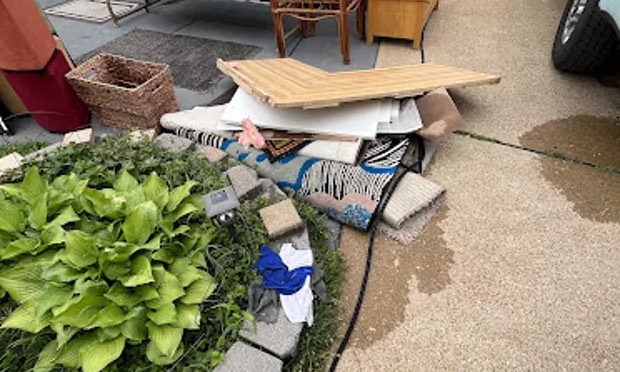
Floodwater Removal Available in Annapolis
Floodwater in Annapolis homes needs to come out fast. Water seeps into building materials, weakening structural components like subfloors and wall studs, and creating slip hazards that threaten the property's long-term integrity and safety.
In Annapolis, flood cleanup includes drying flooded rooms and removing soaked drywall. Local water extraction experts also work around the clock in nearby Arnold, Cape St. Claire and Severna Park.
Floodwater Removal Methods Used in Annapolis
Sewage Flood Cleanup
Sewage backups pose serious health risks and require specific protocols. Professionals adhere to strict safety standards to handle Category 3 water damage appropriately.
Storm Flood Water Pumping
Post-storm flooding often requires large-scale water removal. Professionals deploy powerful pumping equipment to evacuate standing water from affected zones.
Emergency Flood Damage Mitigation
Flood damage mitigation is about swift action to minimize loss. This emergency service includes stopping the water source if possible, extracting standing water, and implementing temporary protective measures.
Flooded Basement Water Extraction
Rapid water extraction is crucial for flooded interior spaces. Powerful pumps remove standing water, preventing structural damage and mold growth.
Flooded Carpet Water Removal
Floodwater removal involves thorough extraction using weighted wands and specialized tools to pull water from deep within the pad and fibers, a key step before professional drying and potential salvage.
How to Know You Need Floodwater Removal in Annapolis
Foundation Cracks Seeping Water
Water seeping through foundation cracks needs pumping out, and the crack should be checked once the area is dry.
Gurgling Sounds in Drains
Gurgling drains can signal a sewer line problem that may cause backup. Contaminated floodwater needs protective gear and disinfection.
Mold or Mildew
Mold or mildew after a flood means materials stayed wet too long and need cleanup and drying.
Soggy or Damp Carpeting
Soggy carpet holds water against the subfloor and starts to smell, so it needs extraction and drying.
How Floodwater Removal Works in Annapolis
Step 1: Initial Inspection and Safety Check
An inspection finds hazards and where the water came from, then the removal is planned.
Step 2: Flooded Basement Water Extraction
Pumps remove deep standing water from basements so the drying can begin sooner.
Step 3: Advanced Drying With Airflow Management
Creating directed airflow with professional-grade air movers accelerates evaporation. Dehumidifiers then capture this moisture from the air.
Step 4: Sanitization and Odor Control
After drying, wet areas are cleaned and air scrubbers may run to remove dust and odors.
Leading Causes of Floodwater Intrusion in Annapolis
Appliance Malfunctions
Failed washing machine hoses, water heaters, or dishwasher lines can flood a room.
Roof Leaks During Downpours
A damaged roof can let water pour into an attic or upper floors, so water must be removed from several levels.
Sewer System Backup
Municipal sewer backups or overwhelmed septic systems can push contaminated water into a home through floor drains and toilets.
Foundation Cracks and Leaks
Cracks in a foundation let groundwater seep in during long, soaking rains.
Floodwater Removal for All Property Types in Annapolis
Residential Floodwater Removal
Flooded carpet water removal is a critical step to rescue flooring and the subfloor beneath. Local water extraction experts in Annapolis start with extraction and proceed with structural drying to finish the flood damage restoration.
Commercial Floodwater Removal
In commercial settings, prompt floodwater removal protects inventory and electrical systems. Photos and readings give the property owner a record for the insurer.
Floodwater Removal vs. DIY Cleanup in Annapolis
Towels or plastic at doorways can help keep water out of dry rooms. Removing a lot of water quickly takes pumps and extractors, and waiting raises the risk of mold and rot.
Understanding Floodwater Removal Cost in Annapolis
In Annapolis, the estimate depends on the size of the flood, how easy it is to reach and how much drying the structure needs.
Additional Restoration Services
Follow-up work like antimicrobial treatment or cleaning contents adds to the total.
Water Category and Contamination
Gray or black water from sewage needs more protective steps and disinfection than clean water.
Location and Accessibility
Flooded basements or crawl spaces that are hard to reach take more labor to pump and dry.
Does Insurance Cover Floodwater Removal?
If storm water had to be pumped out, check whether you have storm damage coverage or a flood policy. Standard homeowners insurance often excludes this. The decision on what is covered rests solely with your insurance provider.
The Value of Local Pros for Floodwater Removal in Annapolis
Industrial-Grade Drying Equipment
Air movers and dehumidifiers are set up to dry the home steadily after the flood.
Advanced Moisture Detection
Moisture meters and thermal cameras find hidden dampness in walls and subfloors.
Contaminated Water Protocols
For sewage, protective gear and disinfection are used to deal with the health risks.
24/7 Emergency Floodwater Removal in Annapolis
Flooding needs quick action before water soaks deeper. If floodwater or sewage is in your Annapolis property, call (410) 862-3857 now.
Call Now (410) 862-3857Local Floodwater Removal Coverage for Annapolis
Dealing with standing water or a flooded room in Annapolis requires professional drying. The pros remove contaminated floodwater and restore flood damage in Annapolis and nearby Arnold, Cape St. Claire and Severna Park.
- Floodwater Removal in Arnold
- Floodwater Removal in Cape St. Claire
- Floodwater Removal in Severna Park
- Floodwater Removal in Crofton
- Floodwater Removal in Odenton
- Floodwater Removal in Glen Burnie
- Floodwater Removal in Pasadena
- Floodwater Removal in Riviera Beach
- Emergency Damage Restoration in 21401
- Storm Damage Restoration in 21401
- Water Damage Restoration in 21401
- Water Extraction Service in 21401
- Water Leak Detection in 21401
- Water Removal Service in 21401
- Emergency Damage Restoration in 21402
- Storm Damage Restoration in 21402
Your Floodwater Removal Questions Answered
What should I do before floodwater removal starts?
If it is safe, turn off power to the area, move small valuables and stay out of contaminated water. Do not use wet electronics.
What is contaminated floodwater removal?
It is removing water that carries sewage, chemicals or bacteria. It needs protective gear, disinfection and often removal of porous materials.
How quickly should floodwater extraction begin?
As soon as possible. Starting early limits damage and mold and saves more of the property.
What happens after the floodwater is pumped out?
Drying takes over: equipment is set up, readings are taken each day and any repairs are planned for after the property is dry.
What happens during flooded basement water extraction?
Pumps remove the standing water, extractors pull water from floors, and dehumidifiers and air movers dry the space.