Annapolis, MD · Anne Arundel County
Desiccant Dehumidification in Annapolis, MDCrawl Space Drying & Flood Drying Services
Desiccant Dehumidification in Annapolis runs from emergency dehumidification and flood drying services to firefighting water drying.
Answered 24/7
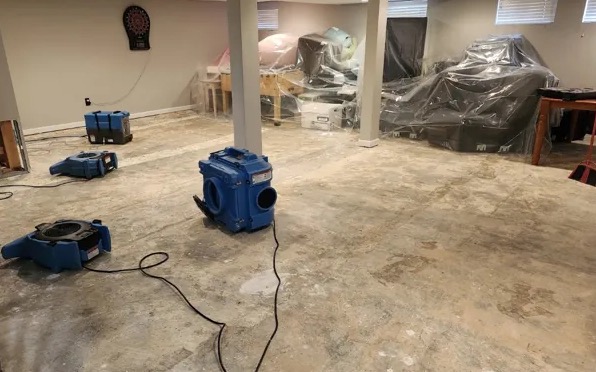
Desiccant Dehumidification: Moisture Control in Annapolis
After water damage in Annapolis, dry air pulls moisture out of wet materials. The drier the air, the faster walls, floors and framing give up their water.
A flood in a large Annapolis building can need high-capacity drying. Local moisture removal pros serve Annapolis and nearby Arnold, Cape St. Claire and Severna Park, with help available around the clock.
Desiccant Dehumidification Services in Annapolis
Crawl Space Drying
Readings on the wood framing are taken at each visit until they return to normal levels.
Flood Drying Services
Floodwater is treated as contaminated, so soaked porous materials are removed and surfaces cleaned before drying starts.
Basement Dehumidification
Once readings show the basement is dry, equipment is removed and the space is ready for repairs.
Construction Drying Services
New construction can trap moisture in concrete, drywall mud and framing. Desiccant units help dry the building before finishes go in.
Mold Prevention Drying
In contained work areas, desiccant dehumidifiers keep the air dry while damaged materials are removed and framing is cleaned.
When to Consider Desiccant Dehumidification in Annapolis
Efflorescence on Masonry Surfaces
White, powdery deposits on masonry show water moving through concrete or block.
Wet Insulation in Attics or Walls
Insulation that is wet in attics or walls holds water against framing and slows drying.
Warped Wood Floors or Trim
Wood floors or trim that cup or warp after a leak are still taking on moisture.
Cold, Damp Feeling in Air
Air that feels cold and damp, especially in lower levels, can be too cool for standard dehumidifiers to work well.
How Desiccant Dehumidification Works in Annapolis
Step 1: First Call and Setup
Help is available any hour, and drying equipment is set up as soon as standing water is removed.
Step 2: Dry Air Environment
The space is closed off so dehumidifiers can bring humidity down quickly.
Step 3: Continuous Moisture Removal
Equipment runs around the clock, pulling moisture from walls, floors and framing.
Step 4: Restoration Verification
Readings are compared to unaffected dry areas before any equipment is removed from the site.
Typical Moisture Intrusions and Desiccant Dehumidification in Annapolis
Groundwater Rise After Heavy Rains
Groundwater rising after long rains keeps crawl spaces and lower levels damp.
Appliance Malfunctions and Overflows
Washers, dishwashers and water heaters that leak leave wet floors, cabinets and walls.
Foundation Cracks and Seepage
Foundation cracks let groundwater seep into lower levels, keeping walls and floors damp.
HVAC System Condensation Issues
Clogged AC drain lines overflow into attics, closets and the ceilings below them.
Both Residential and Commercial Desiccant Dehumidification in Annapolis
Residential Desiccant Dehumidification
Families can usually stay home during drying, though equipment makes steady noise and some areas may be closed off.
Commercial Desiccant Dehumidification
Builders and contractors use desiccant drying to get slabs and drywall ready for flooring and paint on schedule.
Desiccant Dehumidification vs. DIY: When to Call the Pros
You can run your own dehumidifier and keep the wet room closed. Drying soaked materials in a crawl space or cool lower level usually needs commercial equipment.
Factors in Desiccant Dehumidification Pricing for Annapolis
Large commercial buildings and construction sites in Annapolis may need high-capacity units and ducting, which affects the total.
Duration of Equipment Use
Drying usually takes several days, and each day of equipment use adds to the total.
Type of Water Damage
Floodwater and sewage need cleaning and removal of materials before drying, which adds cost.
Additional Restoration Steps
Extraction, material removal and cleaning before drying are separate steps that add to the total.
Does Insurance Cover Desiccant Dehumidification?
Coverage for desiccant dehumidification depends on the cause of the water and your policy. The pros document the drying, and your insurer decides what is covered.
Why Choose Local Pros for Desiccant Dehumidification in Annapolis
Damage Assessment
The full affected area is checked, including rooms next to and below the source.
Prevention of Mold
Fast, complete drying is one of the main ways to keep mold from starting after water damage.
Detailed Moisture Documentation
Daily humidity and moisture readings are logged to show progress and support insurance claims.
24/7 Emergency Desiccant Dehumidification in Annapolis
Night, weekend or holiday, local moisture removal pros set up drying equipment in Annapolis. Call (410) 862-3857 any time to get drying started.
Call Now (410) 862-3857Locations for Desiccant Dehumidification Around Annapolis
Need desiccant dehumidification outside Annapolis? Service also covers Arnold, Cape St. Claire and Severna Park, including emergency drying after hours.
- Desiccant Dehumidification in Arnold
- Desiccant Dehumidification in Cape St. Claire
- Desiccant Dehumidification in Severna Park
- Desiccant Dehumidification in Crofton
- Desiccant Dehumidification in Odenton
- Desiccant Dehumidification in Glen Burnie
- Desiccant Dehumidification in Pasadena
- Desiccant Dehumidification in Riviera Beach
- Emergency Damage Restoration in 21401
- Storm Damage Restoration in 21401
- Water Damage Restoration in 21401
- Water Extraction Service in 21401
- Water Leak Detection in 21401
- Water Removal Service in 21401
- Emergency Damage Restoration in 21402
- Storm Damage Restoration in 21402
Common Desiccant Dehumidification Questions Answered
How does a desiccant dehumidifier work differently?
It passes air over a material that absorbs moisture instead of cooling the air, so it keeps working in cool conditions.
What is the goal of flood drying services?
To remove the moisture left after floodwater is pumped out so the building can be cleaned and repaired.
Can desiccant dehumidification dry behind walls?
Dry air helps, especially when directed into wall cavities through small openings, with readings to confirm results.
Can desiccant dehumidification help prevent mold?
Yes. Lowering humidity and drying materials quickly is one of the main ways to keep mold from starting.
What equipment is used for commercial building drying?
High-capacity desiccant or refrigerant dehumidifiers, air movers, moisture meters and sometimes ducting to direct dry air.