Laurel, MD · Prince George's County
Desiccant Dehumidification in Laurel, MDCrawl Space Drying & Firefighting Water Drying
Desiccant Dehumidification in Laurel covers flood drying services, crawl space drying and emergency dehumidification.
Answered 24/7
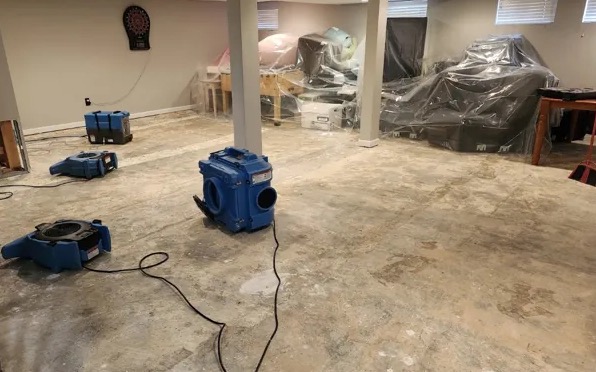
Local Desiccant Dehumidification Services for Laurel
After a fire in Laurel, the water used to put it out soaks rooms well beyond the burned area. That water needs to come out before rebuilding.
Homes, job sites and commercial buildings in Laurel and nearby North Laurel, Maryland City and Scaggsville sometimes need more drying power than standard equipment provides. Help with desiccant dehumidification covers those cases.
Desiccant Dehumidification Methods Used in Laurel
Crawl Space Drying
Readings on the wood framing are taken at each visit until they return to normal levels.
Firefighting Water Drying
Drying after a fire is done once wet debris is removed, so the structure dries cleanly before rebuilding.
Flood Drying Services
Floodwater is treated as contaminated, so soaked porous materials are removed and surfaces cleaned before drying starts.
Basement Dehumidification
Basement concrete and framing release water slowly. Desiccant drying keeps humidity low so they can dry in a reasonable time.
Construction Drying Services
Readings on slabs and framing show when materials are dry enough for the next stage of work.
Warning Signs You Need Desiccant Dehumidification in Laurel
Cold, Damp Feeling in Air
Air that feels cold and damp, especially in lower levels, can be too cool for standard dehumidifiers to work well.
Peeling Paint or Wallpaper
Paint or wallpaper that peels after a leak has moisture behind it that has not dried.
Strong Damp Odor in Rooms
A damp smell that stays in a room after cleanup means materials there are still holding moisture.
High Humidity Readings on Meter
A hygrometer that keeps reading high humidity days after a leak shows the space is not drying.
How Desiccant Dehumidification Works in Laurel
Step 1: Initial Damage Inspection
Humidity and moisture readings are taken across the affected area to set the drying plan.
Step 2: Deployment of Drying Equipment
Desiccant or standard dehumidifiers and air movers are placed based on the space and readings.
Step 3: Monitored Drying Cycle
Readings are logged daily, and equipment is moved or adjusted as each material dries.
Step 4: Completion and Clearance
Final readings confirm materials are dry, and the space is cleared for repairs.
Sources of Moisture Requiring Desiccant Dehumidification in Laurel
Severe Weather and Storm Flooding
Storms and flooding soak lower levels and leave large volumes of wet material.
Roof Leaks From Damaged Shingles
Roof leaks from damaged shingles soak attic insulation, roof decking and the ceilings below.
Plumbing Leaks or Pipe Bursts
Burst pipes and leaking supply lines soak walls and floors that then need drying.
Fire Suppression System Activation
Fire sprinklers and firefighting water soak large areas of a building at once.
Both Residential and Commercial Desiccant Dehumidification in Laurel
Residential Desiccant Dehumidification
Homes with wet attics after roof leaks may need attic drying equipment placed carefully on boards for safe footing.
Commercial Desiccant Dehumidification
Schools, offices and medical buildings may schedule equipment setup and removal after hours to limit disruption to staff and visitors.
Why DIY Falls Short for Desiccant Dehumidification in Laurel
Opening windows only helps on dry, breezy days. Commercial dehumidifiers keep drying no matter what the weather outside is doing, which makes them more reliable.
Understanding Desiccant Dehumidification Expenses in Laurel
Flood cleanup, crawl space access, material removal and after-hours setup all add to the total for desiccant dehumidification in Laurel.
Affected Area Size
Larger affected areas need more drying units and more air movers running at once.
Number of Dehumidifiers
The number and size of dehumidifiers needed for the space is a major part of the cost.
Time of Response
Night, weekend and holiday setup can cost more than a scheduled weekday visit.
Does Insurance Cover Desiccant Dehumidification?
Photograph wet areas before drying begins and keep receipts for emergency extraction, drying equipment and any hotel stay during the work.
Why Choose Local Pros for Desiccant Dehumidification in Laurel
Industry Drying Standards
Drying follows industry water damage standards, with readings taken at every visit.
Large Projects
Large buildings and job sites get drying plans that keep work and business moving.
Post-Flood Drying
Floodwater cleanup is followed by drying that continues until readings are normal.
24/7 Desiccant Dehumidification for Laurel Emergencies
Water damage that needs fast drying in Laurel? Call (410) 862-3857 to get dehumidifiers and air movers in place. Help is available 24/7.
Call Now (410) 862-3857Desiccant Dehumidification Near Laurel: Areas Served
Drying after water damage also covers homes, job sites and businesses in North Laurel, Maryland City and Scaggsville, close to Laurel.
- Desiccant Dehumidification in North Laurel
- Desiccant Dehumidification in Maryland City
- Desiccant Dehumidification in Scaggsville
- Desiccant Dehumidification in Savage
- Desiccant Dehumidification in Fulton
- Desiccant Dehumidification in Greenbelt
- Desiccant Dehumidification in Columbia
- Desiccant Dehumidification in Odenton
- Emergency Damage Restoration in 20707
- Storm Damage Restoration in 20707
- Water Damage Restoration in 20707
- Water Extraction Service in 20707
- Water Leak Detection in 20707
- Water Removal Service in 20707
- Emergency Damage Restoration in 20708
- Storm Damage Restoration in 20708
Frequently Asked Questions About Desiccant Dehumidification
What is the goal of flood drying services?
To remove the moisture left after floodwater is pumped out so the building can be cleaned and repaired.
What does water damage dehumidification include?
Taking readings, placing dehumidifiers and air movers, logging progress daily and confirming materials are dry.
Can desiccant dehumidification help prevent mold?
Yes. Lowering humidity and drying materials quickly is one of the main ways to keep mold from starting.
What areas can benefit from moisture control services?
Crawl spaces, lower levels, attics, large commercial spaces and any room where materials got wet.
What is desiccant dehumidification used for?
Drying spaces after water damage where standard dehumidifiers struggle, such as cool crawl spaces, large buildings and dense materials.