Laurel, MD · Prince George's County
Attic Water Removal in Laurel, MDAttic Moisture Inspection & Attic Mold Prevention
Homeowners in Laurel get Attic Water Removal for emergency attic water extraction, attic moisture inspection and attic drying services.
Answered 24/7
Local Attic Water Removal Solutions in Laurel
In Laurel, the most common attic water sources are roof leaks, attic AC units and plumbing that runs through the attic. Each one needs to be stopped before drying can work.
A heavy storm in Laurel can push water into an attic overnight. Local water damage restoration experts serve Laurel and nearby North Laurel, Maryland City and Scaggsville, with help available around the clock.
Attic Water Removal Services in Laurel
Attic Moisture Inspection
The inspection shows the full spread of the leak, so every wet area is either dried or removed.
Attic Mold Prevention
Ventilation problems, such as blocked soffit vents or a bath fan venting into the attic, are pointed out so the attic does not stay damp.
Attic Leak Water Cleanup
Cleanup focuses on the low spots where water collects: the bays between joists, the area around the hatch and the space under an air handler.
Emergency Attic Water Extraction
Emergency extraction starts with buckets and containment under active drips, then moves to pulling pooled water off the attic floor.
Ceiling Water Damage Cleanup
After the ceiling cavity is dry, the opening is ready for new drywall, tape and paint.
Warning Signs You Need Attic Water Removal
Increased Indoor Humidity Levels
Upstairs rooms that feel sticky or humid may have moisture coming down from the attic.
Rotting Wood on Attic Beams
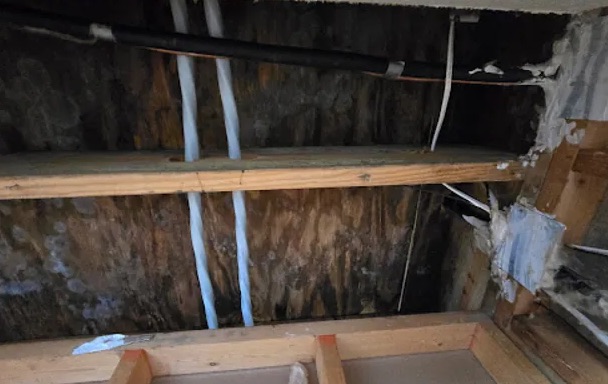
Soft, dark or crumbling wood on rafters and beams points to long-term moisture.
Puddles or Standing Water in Attic
Pooled water on the attic floor or on top of drywall needs removal right away.
Water Dripping From Light Fixtures
Water dripping from a ceiling light or fan means an active leak above. Turn off that circuit.
How Attic Water Removal Works in Laurel
Step 1: Initial Attic Water Damage Assessment
The pros check safety, find the source and map the wet area with moisture meters.
Step 2: Bulk Water and Material Removal
Pooled water, soaked insulation and any sagging drywall are removed from the attic and ceiling.
Step 3: Attic Drying and Evaporation
Warm, dry airflow is aimed at wet wood, with dehumidifiers removing the moisture it releases.
Step 4: Attic Mold Prevention
Once dry, decking and framing that stayed wet can be cleaned and treated with an antimicrobial.
Why Attics Develop Water Damage
Flashing Failures Around Roof Penetrations
Failed flashing around vents, chimneys and skylights lets rain run into the attic.
Clogged or Disconnected Gutters
Clogged or loose gutters let water back up under the roof edge and into the soffits.
Roof Leaks From Damaged Shingles
Cracked, missing or lifted shingles let rain reach the decking and drip into the attic.
Storm Damage From High Winds or Hail
High winds and hail can damage shingles and open the roof to rain during a storm.
Home and Business Attic Water Removal Solutions
Residential Attic Water Removal
Homeowners with stored items in the attic need those moved out first. Wet boxes are dried or discarded before the attic floor is cleaned and dried.
Commercial Attic Water Removal
Offices and stores need the space below protected while attic work is under way. Drying is planned around business hours where possible.
Professional Attic Water Removal Compared to DIY
If you can do it safely, look into the attic with a flashlight to find the wet area. Removing soaked insulation and drying the framing needs boards, protective gear and equipment.
Understanding Attic Water Removal Pricing
The cost of attic water removal in Laurel depends on how far the water spread, how much insulation is wet and whether ceiling drywall below must be replaced.
Emergency Service Timing
Storm, night and holiday calls can cost more than a scheduled visit.
Mold Prevention Measures
Antimicrobial treatment of wood that stayed wet is an added step, priced by area.
Access and Attic Complexity
Low headroom and small access hatches make attic work slower than open spaces.
Does Insurance Cover Attic Water Removal?
Photograph the attic, the ceiling and any roof damage before cleanup, and keep receipts for tarping and emergency water removal.
Selecting Local Pros in Laurel for Attic Water Removal
Industry Drying Standards
Drying follows industry water damage standards, with moisture readings taken at every visit.
Dehumidification Equipment
Dehumidifiers sized for the attic remove moisture much faster than roof vents and open hatches alone.
Damage Documentation
Photos, readings and a list of removed materials are kept for insurance.
Emergency Attic Water Removal Available Anytime
Wet insulation keeps the ceiling soaking every hour it stays. Call (410) 862-3857 for attic water removal in Laurel as soon as you see a stain or drip.
Call Now (410) 862-3857Local Attic Water Removal Coverage Area
Help with attic water removal is also available in communities near Laurel, including North Laurel, Maryland City and Scaggsville, for roof leaks and attic plumbing failures.
- Attic Water Removal in North Laurel
- Attic Water Removal in Maryland City
- Attic Water Removal in Scaggsville
- Attic Water Removal in Savage
- Attic Water Removal in Fulton
- Attic Water Removal in Greenbelt
- Attic Water Removal in Columbia
- Attic Water Removal in Odenton
- Emergency Damage Restoration in 20707
- Storm Damage Restoration in 20707
- Water Damage Restoration in 20707
- Water Extraction Service in 20707
- Water Leak Detection in 20707
- Water Removal Service in 20707
- Emergency Damage Restoration in 20708
- Storm Damage Restoration in 20708
Attic Water Removal FAQs
Why is emergency attic drying important?
Wet wood and drywall break down quickly. Drying fast saves more of the ceiling and lowers the risk of microbial growth.
Do I need ceiling water damage cleanup too?
Usually. Water in the attic soaks the ceiling below, which needs to be checked and dried or replaced.
What is involved in attic water removal?
Stopping the source, removing pooled water, bagging wet insulation, drying the framing and decking, and checking the ceiling below.
What equipment is used for attic water extraction?
Wet vacs, pumps, air movers, dehumidifiers, moisture meters and thermal cameras, plus vacuums for wet insulation.
Will attic water damage cause mold?
It can if wood and insulation stay wet for days. Fast removal and drying are the main ways to prevent mold.