Laurel, MD · Prince George's County
Basement Water Removal in Laurel, MDBasement Wall Drying & Basement Dehumidification
Basement Water Removal in Laurel includes basement water pump out, basement drying services and basement moisture inspection.
Answered 24/7
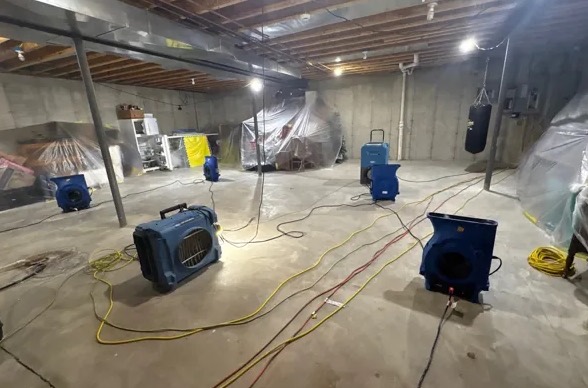
Professional Basement Water Removal in Laurel, MD
In Laurel homes with a basement or below-grade room, water usually comes from storms, sewer backups or plumbing leaks overhead. The source decides how the water is handled and what can be saved.
A finished basement or lower level in Laurel or North Laurel, Maryland City and Scaggsville can hide water under flooring and behind drywall. The pros find and remove it before it causes lasting damage.
Professional Basement Water Removal Offerings
Basement Wall Drying
Concrete and block walls dry with directed airflow and dehumidification, which pull water out of the masonry.
Basement Dehumidification
Large dehumidifiers pull moisture from basement air, which lets walls, framing and the slab release the water they absorbed.
Basement Floor Water Damage
Concrete floors are squeegeed, extracted and dried with airflow and dehumidifiers until moisture readings drop.
Sump Pump Failure Water Cleanup
When a sump pump stops, groundwater spreads across the floor. The water is pumped out and the floor and lower walls are extracted.
Emergency Basement Flooding
Help is available any hour when water is rising in the basement from a storm, a sewer backup or a burst pipe.
When to Call for Basement Water Removal in Laurel
Wet or Damp Basement Walls
Basement walls that look dark, feel damp or show tide lines are taking on or holding water.
Standing Water in Basement
Standing water anywhere on the basement floor needs to be pumped out before it soaks the walls.
Sump Pump Failure or Overflow
A sump pit that is full, overflowing or has a pump that will not start means water is about to spread.
Efflorescence on Concrete Walls
White, powdery deposits on concrete walls mean water is passing through the masonry.
How Basement Water Removal Works in Laurel
Step 1: First Call and Initial Assessment
The source, the type of water and the depth are checked, and the water level is photographed.
Step 2: Bulk Water and Contaminant Removal
Pumps remove standing water, and carpet, pad or drywall touched by dirty water is removed.
Step 3: Drying With Monitoring
Dehumidifiers and air movers run around the clock, with readings logged every day on walls and slab.
Step 4: Post-Drying Evaluation and Documentation
Final readings and photos are compiled to show the basement is dry and what was removed.
Common Causes of Basement Flooding in Laurel
Foundation Cracks and Seepage
Cracks in foundation walls and the slab let groundwater seep in during wet weather.
Sewer Line Backups and Blockages
A blocked sewer line can push wastewater up through basement floor drains and toilets.
Improper Landscape Grading
Soil that slopes toward the house directs rainwater straight to the basement walls.
Plumbing Leaks or Pipe Bursts
Supply lines, drain pipes and water heaters in the basement can leak or burst onto the floor.
House and Business Basement Water Removal in Laurel
Residential Basement Water Removal
In homes, a wet basement often means damaged carpet, drywall and stored belongings, plus a furnace or water heater sitting in water. Water is pumped out and the space dried.
Commercial Basement Water Removal
In commercial buildings, basements often house mechanical rooms and storage. Water is removed quickly so systems can be checked and restarted safely.
Basement Water Removal vs. DIY: When to Call the Pros
Checking appliance hoses and extending downspouts away from the house are good DIY steps before storm season. Once the basement floods, call (410) 862-3857 for help.
Factors Affecting Basement Water Removal Cost
The cost of basement water removal in Laurel depends on how deep the water is, what type of water it is and how much finished material has to come out.
Affected Materials
Finished walls, carpet and laminate take more removal work than bare concrete.
Contamination Level
Sewage or dirty water needs protective gear, removal and disinfection, which costs more.
Basement Square Footage
Larger basements need more extraction, more drying equipment and more days of drying.
Does Insurance Cover Basement Water Removal?
Photograph the water level, damaged belongings and appliances before cleanup, and keep receipts for emergency pumping and drying equipment for your adjuster.
Advantages of Local Basement Water Removal Experts
Advanced Drying Equipment
Pumps, extractors and large dehumidifiers remove water much faster than household tools.
Detailed Damage Documentation
Photos, readings and drying logs are kept to support your insurance claim.
Industry Drying Standards
Water removal and drying follow industry water damage standards, with readings at every visit.
24/7 Emergency Basement Water Removal in Laurel
Basement taking on water in Laurel? Make power safe if you can, move what you can and call (410) 862-3857. Help is available 24/7.
Call Now (410) 862-3857Communities Served for Basement Water Removal
Help with basement water removal reaches North Laurel, Maryland City and Scaggsville, plus other communities around Laurel, for finished and unfinished basements alike.
- Basement Water Removal in North Laurel
- Basement Water Removal in Maryland City
- Basement Water Removal in Scaggsville
- Basement Water Removal in Savage
- Basement Water Removal in Fulton
- Basement Water Removal in Greenbelt
- Basement Water Removal in Columbia
- Basement Water Removal in Odenton
- Emergency Damage Restoration in 20707
- Storm Damage Restoration in 20707
- Water Damage Restoration in 20707
- Water Extraction Service in 20707
- Water Leak Detection in 20707
- Water Removal Service in 20707
- Emergency Damage Restoration in 20708
- Storm Damage Restoration in 20708
Basement Water Removal FAQs
Why is basement dehumidification important after pumping?
Walls and concrete keep releasing moisture for days. Dehumidifiers remove it so the basement does not stay damp.
Can I dry my basement myself with fans?
Fans help with surface water, but walls and concrete need dehumidifiers and readings to dry fully.
How is contaminated water handled in a basement?
With protective gear, containment, removal of porous materials and disinfection of hard surfaces before drying.
What is involved in basement leak cleanup?
Stopping the leak, extracting the water, drying the floor and walls and checking for hidden moisture under flooring.
What equipment is used for basement water extraction?
Submersible pumps, extractors, wet vacs, air movers, large dehumidifiers and moisture meters to confirm drying.