Lake Arbor, MD · Prince George's County
Attic Water Extraction in Lake Arbor, MDAttic Mold Prevention & Wet Attic Insulation Removal
Get attic water extraction in Lake Arbor for attic moisture inspection, wet attic insulation removal and attic mold prevention after a leak.
Answered 24/7
Local Attic Water Extraction Services in Prince George's County
Water in an attic has only one place to go: down through the ceiling. In Lake Arbor, a roof leak, a burst attic pipe or an overflowing AC pan can put water on top of the ceiling drywall, where it soaks in and starts to sag.
Homes in Lake Arbor and nearby Largo, Mitchellville and Kettering have attics that hold insulation, ductwork and often an AC unit or water heater. The pros remove water from roof leaks and equipment failures and dry the framing.
Comprehensive Attic Water Extraction Services in Lake Arbor
Attic Mold Prevention
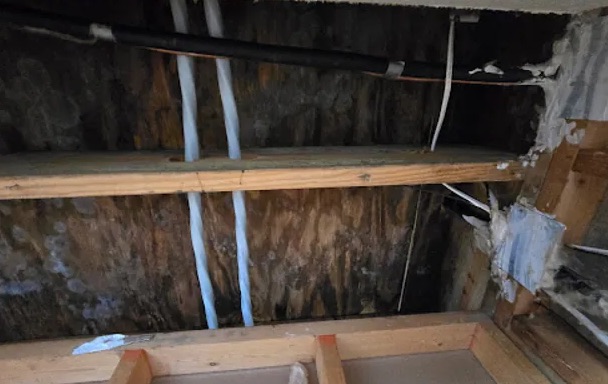
Drying the attic quickly is the main way to limit mold on wood. Treatment is added for areas that were wet for days.
Wet Attic Insulation Removal
Insulation is removed only where it got wet. Dry insulation nearby is left in place and protected during the work.
Ceiling Water Damage Cleanup
A ceiling holding water is punctured in a controlled way to drain it into buckets, then the soaked section is cut out.
Attic Leak Water Cleanup
Water from a roof or plumbing leak usually runs along rafters before it drips. Cleanup follows that path and removes water wherever it pooled.
Attic Drying Services
Attic ventilation affects drying time. Dehumidifiers pull moisture from the air while air movers push dry air over wet wood.
Indicators of Attic Water Damage in Lake Arbor
Insect Infestations in Attic
Wet wood draws insects, so new activity in the attic can be a sign of an ongoing leak.
Sagging or Bulging Ceilings
A ceiling that bulges or droops is holding water and can fall. Keep people out of the room below.
Water Stains on Ceiling
A brown or yellow stain on an upstairs ceiling usually means water is sitting on the drywall from the attic.
Damp Attic Insulation
Insulation that feels damp, looks matted or has dark patches has been soaking up water.
How Attic Water Extraction Works in Lake Arbor
Step 1: Emergency Water Extraction
Active drips are caught and pooled water is vacuumed from the decking and drywall tops right away.
Step 2: Wet Insulation Removal
Soaked insulation is bagged and removed so air can reach the wood and the ceiling drywall below.
Step 3: Attic Drying Process
Air movers and dehumidifiers are set on boards across the joists and run until readings drop.
Step 4: Final Moisture Inspection
Readings on decking, rafters and the ceiling confirm the attic is dry before new insulation goes in.
Why Attics Need Water Extraction in Lake Arbor
HVAC System Condensate Overflow
AC air handlers in the attic overflow when the condensate line clogs or the pan cracks.
Condensation From Poor Ventilation
Warm, moist air from the house condenses on roof decking when the attic lacks ventilation.
Attic Appliance Malfunction
Water heaters, humidifiers and other attic equipment can fail and leak with no warning.
Roof Leaks From Storm Damage
Wind and hail can lift or break shingles, letting rain reach the decking and the attic floor.
Attic Water Extraction Across Property Types in Lake Arbor
Residential Attic Water Extraction
In two-story homes, attic leaks can reach upstairs ceilings and run down into walls. Each wet area is checked with a meter and dried.
Commercial Attic Water Extraction
Flat-roof buildings often have leaks that travel far before they drip. The water path above the ceiling is traced so no wet section is missed.
Attic Water Extraction vs. DIY: When to Call the Pros
A bucket under the drip and a tarp over furniture are good first steps. Call local restoration pros if water is pooling in the attic, the ceiling is stained or sagging, or insulation is soaked.
What Influences Attic Water Extraction Cost in Lake Arbor
The cost of attic water extraction in Lake Arbor depends on how much water reached the attic, how much insulation is soaked and how long the framing takes to dry.
Mold Prevention Steps
Antimicrobial treatment of wood that stayed wet is an added step, priced by area.
Required Drying Time
Dense framing and decking can take several days to dry, adding equipment time.
Access and Complexity
Low headroom, tight access hatches and narrow joists make the work slower.
Does Insurance Cover Attic Water Extraction?
Insurers often want to know what caused the leak and when it started. Notes on the leak point and roof condition help answer that.
The Value of Local Pros for Attic Water Extraction
24/7 Emergency Response
Help is available day or night when a storm or burst pipe puts water in the attic.
Mold Prevention Focus
Fast drying of attic wood is the main way to limit microbial growth after a leak.
Roof Leak Location
The leak point is marked and photographed so the roofer can fix the right spot.
Emergency Attic Water Extraction Response in Lake Arbor, MD
If water is dripping from a light fixture, shut off that circuit at the panel and stay clear. Then call (410) 862-3857 for help in Lake Arbor.
Call Now (410) 862-3857Attic Water Extraction for Lake Arbor and Surrounding Communities
Attic extraction and drying also cover homes and buildings in Largo, Mitchellville and Kettering, close to Lake Arbor, at any hour.
Attic Water Extraction FAQs for Lake Arbor Homeowners
What should I do while waiting for water damage help?
Catch drips with a bucket, move belongings, keep away from sagging ceilings and turn off power to wet fixtures.
Can I remove attic water myself?
Small drips onto plastic can be handled, but pooled water and soaked insulation need safe footing, equipment and drying.
How quickly should I deal with water in my attic?
Right away. Water sitting on ceiling drywall can make it sag or fall within a day, and wet wood starts to break down.
What is the purpose of attic mold prevention?
To slow microbial growth on wood that stayed wet, by drying it quickly and treating it with an antimicrobial if needed.
Why is a moisture inspection important after extraction?
Extraction removes pooled water, but wood and drywall stay wet inside. Meters show what still needs drying.