Fairwood, MD · Prince George's County
Attic Water Extraction in Fairwood, MDCeiling Water Damage Cleanup & Attic Mold Prevention
Attic Water Extraction in Fairwood runs from attic leak water cleanup and attic drying services to ceiling water damage cleanup.
Answered 24/7
Attic Water Extraction Solutions in Fairwood, Maryland
Attic water is hard to reach. Joists are narrow, headroom is low and the ceiling drywall cannot hold a person's weight. In Fairwood, extraction in an attic takes boards, lighting and careful footing.
A storm in Fairwood can push water into an attic in one night. Local water damage pros serve Fairwood and nearby Mitchellville, Bowie and Lake Arbor, with extraction available around the clock.
Detailed Attic Water Extraction Offerings in Fairwood
Ceiling Water Damage Cleanup
A ceiling holding water is punctured in a controlled way to drain it into buckets, then the soaked section is cut out.
Attic Mold Prevention
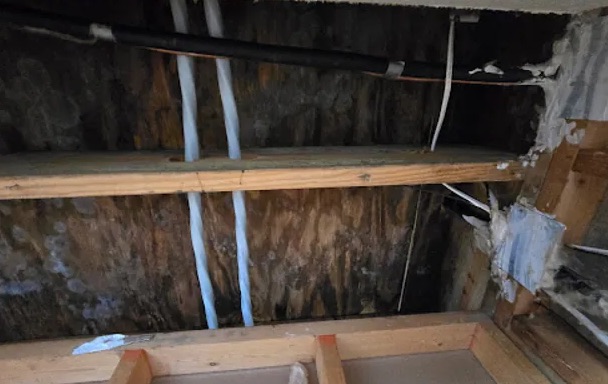
Once wood is dry, roof decking and rafters that stayed wet can be treated with an antimicrobial to slow microbial growth.
Roof Leak Water Removal
A tarp can be placed over the damaged roof area to stop more water from coming in while extraction and drying continue.
Emergency Attic Water Extraction
When rain or a burst attic pipe floods the attic floor, water is vacuumed off the decking and drywall tops before it soaks through to the rooms below.
Attic Drying Services
Attic ventilation affects drying time. Dehumidifiers pull moisture from the air while air movers push dry air over wet wood.
Symptoms Requiring Attic Water Extraction in Fairwood, MD
Visible Mold in Attic
Dark spots on rafters or decking mean the wood has stayed damp for some time.
Water Stains on Ceiling
A brown or yellow stain on an upstairs ceiling usually means water is sitting on the drywall from the attic.
Rotting Wood in Attic
Soft or crumbling wood in the attic, especially around vents and valleys, points to long-term leaks.
Insect Infestations in Attic
Wet wood draws insects, so new activity in the attic can be a sign of an ongoing leak.
How Attic Water Extraction Works in Fairwood
Step 1: Emergency Water Extraction
Active drips are caught and pooled water is vacuumed from the decking and drywall tops right away.
Step 2: Wet Insulation Removal
Soaked insulation is bagged and removed so air can reach the wood and the ceiling drywall below.
Step 3: Attic Drying Process
Air movers and dehumidifiers are set on boards across the joists and run until readings drop.
Step 4: Final Moisture Inspection
Readings on decking, rafters and the ceiling confirm the attic is dry before new insulation goes in.
Typical Origins of Attic Flooding in Fairwood, MD
Aging or Deteriorated Roofing Materials
Old, curled or cracked shingles and worn underlayment let water through during heavy rain.
Plumbing Leaks in Attic
Supply lines and water heaters in the attic can leak or burst onto the ceiling below.
Skylight or Chimney Flashing Failure
Worn flashing around skylights and chimneys lets rain run down into the attic.
Condensation From Poor Ventilation
Warm, moist air from the house condenses on roof decking when the attic lacks ventilation.
Residential & Commercial Attic Water Extraction in Fairwood
Residential Attic Water Extraction
At home, attic water usually ends up on a bedroom or hallway ceiling. Water is extracted from above, wet insulation removed and the ceiling below dried or replaced.
Commercial Attic Water Extraction
In commercial buildings, water above a drop ceiling soaks tiles and insulation across several rooms. Wet tiles come down and the space above them is extracted and dried.
Attic Water Extraction vs. DIY: When to Call the Pros
A bucket under the drip and a tarp over furniture are good first steps. Call local water damage pros if water is pooling in the attic, the ceiling is stained or sagging, or insulation is soaked.
What Influences Attic Water Extraction Cost in Fairwood
Before quoting attic water extraction in Fairwood, the pros check the attic, the ceiling below and access to the space, then explain the work.
Access and Complexity
Low headroom, tight access hatches and narrow joists make the work slower.
Type of Water Involved
Clean rainwater is simpler to remove than water from a drain line or a dirty source.
Emergency Service Timing
Night, weekend and storm calls can cost more than a scheduled visit.
Does Insurance Cover Attic Water Extraction?
Photos, moisture readings and drying logs from the pros help support an insurance claim for attic water damage in Fairwood.
Benefits of Local Pros for Attic Water Extraction in Fairwood, MD
Advanced Moisture Detection
Moisture meters and thermal cameras find wet insulation and wood that look dry.
Mold Prevention Focus
Fast drying of attic wood is the main way to limit microbial growth after a leak.
Ceiling Damage Mitigation
Sagging ceilings are drained and removed safely before they can fall into the room.
Urgent Attic Water Extraction Available in Fairwood
Night, weekend or holiday, the pros handle attic water in Fairwood. Call (410) 862-3857 to get the water out and the ceiling protected.
Call Now (410) 862-3857Local Attic Water Extraction Areas Including Fairwood
Help with attic water extraction reaches Mitchellville, Bowie and Lake Arbor, plus other communities around Fairwood, for houses, townhomes and commercial buildings.
Common Attic Water Extraction Questions Answered
What is involved in professional attic water extraction?
Catching drips, vacuuming pooled water from decking and drywall tops, removing soaked insulation and drying the framing and ceiling below.
What follows after the attic is dry?
New insulation can be installed, and ceiling drywall below is repaired, taped and painted.
Can I remove attic water myself?
Small drips onto plastic can be handled, but pooled water and soaked insulation need safe footing, equipment and drying.
How long does the attic drying process take?
Often several days, depending on how wet the wood is, the attic temperature and how much insulation was removed.
Why is wet insulation removal often necessary?
Soaked insulation stays wet for a long time, adds weight to the ceiling and loses its insulating value.