Columbia, MD · Howard County
Roof Leak Water Removal in Columbia, MDLeak Source Identification & Emergency Roof Tarping
Local restoration pros in Columbia provide roof leak water removal with emergency roof tarping, wall cavity drying and structural drying services.
Answered 24/7
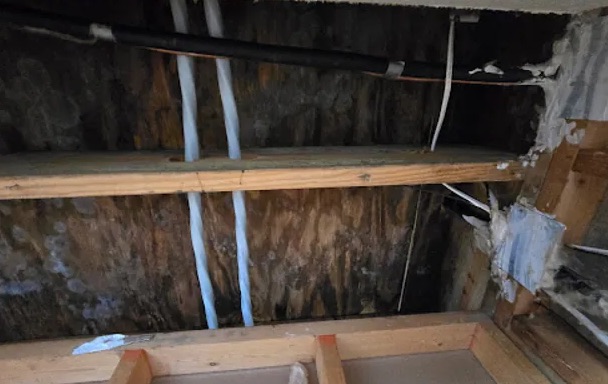
Water From a Roof Leak in Columbia, Maryland
When a storm pushes water through the roof of a Columbia home, the attic is the first place it collects and the hardest place to dry.
Roof leak water removal is available in Columbia and nearby Savage, Scaggsville and Fulton. The pros tarp the opening if needed, extract the water and dry the attic framing and ceiling drywall.
Roof Leak Water Removal Work in Columbia
Leak Source Identification
Water often travels along rafters before it drips, so the stain is rarely under the hole. Tracing it in the attic shows the real entry point.
Emergency Roof Tarping
Tarping is a stopgap. It keeps the next rain out of the attic and ceilings until a roofer can replace the decking, flashing or shingles.
Ceiling Water Damage Cleanup
Stained or sagging drywall is checked with a moisture meter. Sections that are soft or bowed are cut out so the cavity above can dry and the ceiling can be patched.
Wet Contents Protection
Furniture, rugs and boxes under the leak are moved, blocked up or covered. Wet items are listed and photographed before they are dried or set aside.
Attic Water Extraction
The pros remove standing water from the attic first, because a ceiling holding water can sag and give way under the weight.
Signs of a Roof Leak in Your Columbia Home
Dark Spots on Attic Wood
Dark streaks or spots on rafters and roof decking show where water has been running or sitting for a while.
Puddles Under the Ceiling
Water on the floor under a stain or a drip means the ceiling above is already holding more than it can absorb.
Damp Baseboards on Exterior Walls
Wet or swelling baseboards under a ceiling stain mean water has traveled down the wall cavity from the attic.
Musty Smell After Rain
A damp, musty smell that gets stronger after storms often means insulation in the attic is staying wet.
How Roof Leak Water Removal Works in Columbia
Step 1: Stop the Water
The opening in the roof is tarped and drips inside are caught, so no more rain reaches the attic while the cleanup starts.
Step 2: Attic Water Extraction
Standing water is pulled from the attic floor and from on top of the ceiling with wet vacuums and portable extractors.
Step 3: Remove Wet Insulation
Soaked insulation is bagged and taken out so the drywall and joists underneath are open to air.
Step 4: Structural Drying
Air movers and dehumidifiers dry the rafters, decking and ceiling, with readings taken each day until the wood is dry.
Where Roof Leaks Start in Columbia
Cracked Vent Boots
The rubber collars around plumbing vents dry out and split with age, letting rain drip down the pipe into the attic.
Ice Dam Formation
In freezing weather, ice at the roof edge traps melting snow, and the water backs up under the shingles into the attic.
Worn Flashing
Flashing around chimneys, skylights and wall joints can crack, rust or pull loose, and water runs in along the gap.
Aging Roofing Materials
As shingles age they curl, lose granules and crack, and slow leaks start where the roof covering has worn thin.
Roof Leaks in Columbia Homes and Commercial Buildings
Residential Roof Leak Water Removal
In Columbia, a census-designated place in Howard County, a roof leak in a home usually means a wet attic, a stained bedroom or hallway ceiling and soaked insulation. The pros dry each layer and photograph the damage for your claim.
Commercial Roof Leak Water Removal
On commercial buildings with flat roofs, water can spread across a drop ceiling before it shows. The pros remove wet ceiling tiles, extract the water and dry the space around business hours.
Roof Leak Cleanup: DIY or Professional in Columbia
If water is near lights or outlets, turn off that circuit at the breaker. Do not stand on a wet floor to reach a fixture that is dripping.
Roof Leak Water Removal Cost in Columbia, MD
In Columbia, the biggest cost drivers after a roof leak are wet insulation, wet ceiling drywall and how hard the attic is to work in.
Size of the Wet Area
The square footage of wet attic, ceiling and wall sets how much equipment is needed and how long it runs.
Emergency Tarping
If the roof needs a tarp before drying can start, the materials and labor for that step add to the bill.
Drying Time
Each extra day of air movers, dehumidifiers and moisture checks adds to the cost, so wet wood that dries slowly costs more.
Does Insurance Cover Roof Leak Water Removal?
Some policies limit payment if a leak was left unrepaired for a long time. Report it promptly and keep receipts for the tarp and any emergency work.
What Local Pros Bring to a Roof Leak in Columbia
Contents Moved Out of Harm
Belongings under the leak are moved, covered or dried so they do not keep soaking while the attic is worked on.
Finding Hidden Water
Thermal cameras and moisture meters find wet insulation and wall cavities that are not visible from the room below.
24/7 Help During Storms
Roof leaks happen when it rains, often at night. Help is available around the clock, so tarping and extraction can start once it is safe.
Around-the-Clock Roof Leak Water Removal in Columbia
If a roof leak is dripping into your home right now, turn off power to wet fixtures and call (410) 862-3857. Help is available day and night.
Call Now (410) 862-3857Areas Served for Roof Leak Water Removal Near Columbia
Homes in Columbia and nearby places such as Savage, Scaggsville and Fulton can get help with attic water extraction, wet insulation and ceiling drying after a roof leak.
- Roof Leak Water Removal in Savage
- Roof Leak Water Removal in Scaggsville
- Roof Leak Water Removal in Fulton
- Roof Leak Water Removal in North Laurel
- Roof Leak Water Removal in Ilchester
- Roof Leak Water Removal in Ellicott City
- Roof Leak Water Removal in Elkridge
- Roof Leak Water Removal in Maryland City
- Emergency Damage Restoration in 21044
- Storm Damage Restoration in 21044
- Water Damage Restoration in 21044
- Water Extraction Service in 21044
- Water Leak Detection in 21044
- Water Removal Service in 21044
- Emergency Damage Restoration in 21045
- Storm Damage Restoration in 21045
FAQ: Roof Leaks, Attics and Ceilings
How is water removed from an attic?
Standing water is pulled out with wet vacuums and extractors, then soaked insulation is removed so the ceiling and framing can be dried.
Is it safe to stay in a room with a wet ceiling?
Keep people out from under a ceiling that sags or drips. Turn off power to wet light fixtures until the ceiling has been checked.
Why does wet insulation have to come out?
Wet insulation stays damp for a long time, holds water against the ceiling and framing, and stops insulating. Removing it lets the attic dry.
What happens after the water is removed?
Drying equipment runs and the pros take readings until the attic and ceiling are dry. Then the roofer and drywall repairs can go ahead.
Can a roof leak cause mold in the attic?
Yes, if the wood and insulation stay wet. Prompt extraction and drying, plus removing soaked insulation, keep the attic from staying damp long enough for mold.