Temple Hills, MD · Prince George's County
HVAC Leak Water Removal in Temple Hills, MDEmergency HVAC Leak Cleanup & HVAC Drain Line Flood Cleanup
HVAC Leak Water Removal in Temple Hills includes emergency HVAC leak cleanup, wet insulation removal near HVAC and coil leak water damage repair.
Answered 24/7
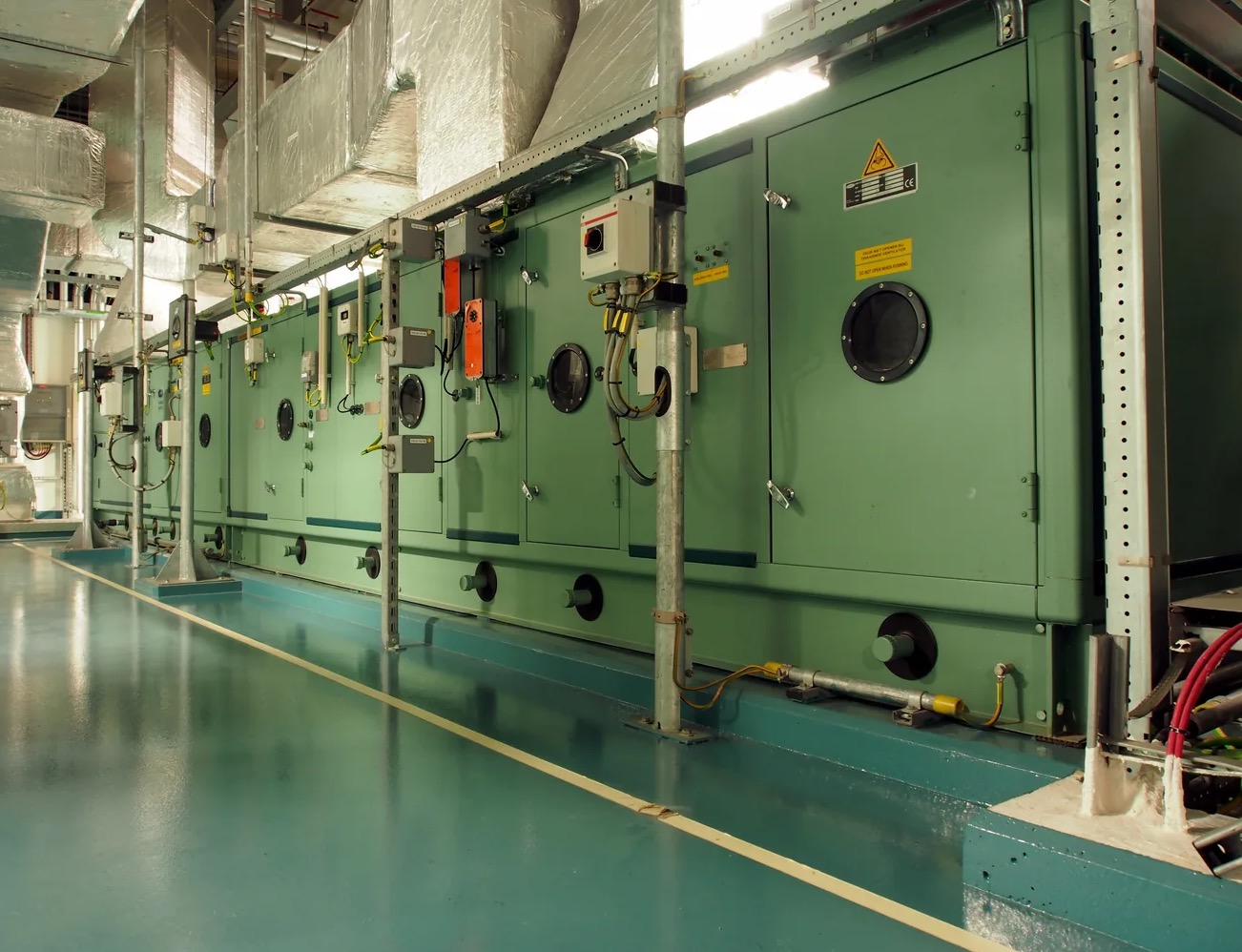
Professional HVAC Leak Water Removal in Temple Hills, MD
In Temple Hills, an air conditioner can run most of the day in summer, and the condensate it makes has to go somewhere. When the drain fails, that water soaks insulation, rusts metal and wets the drywall nearby.
When an HVAC leak occurs in Temple Hills, water needs to come out quickly to protect interior finishes and electrical systems. Local water removal pros serve this community and nearby areas like Camp Springs, Oxon Hill and Suitland, extracting water around the unit and drying wet ductwork before damage spreads.
Specialized HVAC Leak Water Removal Services in Temple Hills
Emergency HVAC Leak Cleanup
An overflowing secondary pan or a broken drain line needs cleanup right away. The pros mobilize to extract water and assess electrical safety.
HVAC Drain Line Flood Cleanup
When a drain line fails over a concrete utility slab, extractors remove the water and the slab and wall bases are dried.
Wet Insulation Removal Near HVAC
Saturated insulation near the HVAC unit loses R-value and can foster mold. Removal is often necessary for a proper dry-out.
AC Condensate Leak Water Removal
A rusted or cracked condensate pan leaks directly from the AC coil. Prompt water removal prevents corrosion and electrical hazards.
HVAC Cabinet Water Extraction
Standing water in the cabinet rusts the pan, panels and fasteners. Getting it out early stops that, and the cabinet is dried before the system runs again.
When to Consider HVAC Leak Water Removal in Temple Hills
High Indoor Humidity Levels
A home feeling persistently muggy can mean the HVAC system is not properly removing airborne moisture.
Condensation Dripping From Ducts
Water droplets or streaks on metal ductwork mean the ducts are sweating, and the water is landing somewhere below.
Unusual Sounds From the AC Unit
Gurgling, dripping, or hissing noises from the indoor unit frequently accompany a condensate drainage failure.
Stained Ceilings or Walls Near Vents
Stains on drywall or ceilings around supply vents often trace back to ducts that are sweating or leaking.
How HVAC Leak Water Removal Works in Temple Hills
Step 1: Water Removal Initiation
The pros use pumps and wet vacuums to remove the bulk water from a flooded drain line area.
Step 2: Detailed Moisture Detection
Meters and thermal cameras check concealed spaces so no wet spot behind a wall or above a ceiling is missed.
Step 3: Controlled Drying Environment
Professionals create a controlled environment with dehumidifiers and air movers to dry wet ductwork, insulation and building materials.
Step 4: Final Clearance and Prevention Advice
A final check confirms everything is dry, and you get tips on keeping the condensate drain clear.
What Causes HVAC Leaks Needing Water Removal in Temple Hills
High Static Pressure in Ducts
An oversized system or closed vents can upset airflow and drainage, so condensate does not drain as it should.
Refrigerant Leak at the Coil
A pinhole leak in the evaporator coil itself can allow refrigerant and moisture to escape simultaneously.
Clogged Condensate Drain Line
Algae, sludge, or debris blocking the primary drain pipe causes water to back up into the HVAC cabinet.
Obstructed Air Filter or Ducts
Badly restricted airflow lets frost build on the cold coil, and the water floods the pan when it melts.
Residential and Commercial HVAC Leak Water Removal in Temple Hills
Residential HVAC Leak Water Removal
In homes, an AC condensate leak can rot subfloor and baseboards if it is left. The pros dry the tight spaces around the unit and record the damage for insurance.
Commercial HVAC Leak Water Removal
A flooded HVAC unit in a commercial building needs a coordinated response. The pros manage large-volume extraction, coordinate with facility managers, and implement drying protocols.
HVAC Leak Water Removal: DIY or Call Water Damage Pros in Temple Hills
After ensuring power is off, you can use a wet-dry vacuum on visible standing water near a leaking AC unit. Be cautious of electrical hazards. You can also set up fans to aid surface drying. Do not remove wet insulation or open sealed ductwork.
Cost Insights for HVAC Leak Water Removal in Temple Hills
The pros in Temple Hills price the job based on how long the leak ran and how much it damaged. Wet ducts inside walls or ceilings take extra work to reach.
Emergency Service Timing
HVAC leak cleanup started at night, on weekends or on holidays may be billed at a different rate.
Leak Source and Severity
Whether the leak came from a drain line, the coil or the pan changes how much water there is and where it went.
Drying Time and Equipment
The number of days ducts and materials take to dry decides how long the dehumidifiers run.
Does Insurance Cover HVAC Leak Water Removal?
For HVAC water cleanup, a policy may cover the water damage but not fixing the failed part. The pros document the wet area and the drying, and the insurer makes the coverage decision.
Why Local Experts for HVAC Leak Water Removal in Temple Hills
Focused on System Integrity
The goal is a dry unit area and dry materials around it, so the system can run safely again.
Containment and Air Filtration
The work area can be closed off so dust and moist air do not spread while wet materials are removed.
24/7 Emergency Response
Getting to a leaking AC early limits how far water spreads and how much it rusts parts in the unit.
Urgent HVAC Leak Water Removal Response in Temple Hills
A leaking AC unit can cause rapid electrical and structural damage. For immediate HVAC leak water removal in Temple Hills, a census-designated place in Prince George's County, contact the pros at (410) 862-3857.
Call Now (410) 862-3857HVAC Leak Water Removal Service Area Around Temple Hills
In Temple Hills and nearby Camp Springs, Oxon Hill and Suitland, the pros handle water from HVAC cabinets, drain lines and wet insulation around the unit.
- HVAC Leak Water Removal in Camp Springs
- HVAC Leak Water Removal in Oxon Hill
- HVAC Leak Water Removal in Suitland
- HVAC Leak Water Removal in Coral Hills
- HVAC Leak Water Removal in Clinton
- HVAC Leak Water Removal in Fort Washington
- HVAC Leak Water Removal in Forestville
- HVAC Leak Water Removal in Walker Mill
- Emergency Damage Restoration in 20748
- Storm Damage Restoration in 20748
- Water Damage Restoration in 20748
- Water Extraction Service in 20748
- Water Leak Detection in 20748
- Water Removal Service in 20748
- Emergency Damage Restoration in 20757
- Storm Damage Restoration in 20757
Frequently Asked Questions About HVAC Leak Water Removal
What documentation do pros provide for insurance?
The pros take photos and moisture readings and keep a drying log of the cleanup that you can send to your insurer.
What's the difference between water extraction and drying?
Extraction removes the liquid water. Drying uses dehumidifiers and air movers to pull out the moisture left in insulation, drywall and wood.
Why does my AC coil leak water?
A frozen coil that thaws, a clogged drain pan, or a cracked condensate drain line are common causes of water leaking from the AC unit.
Is emergency HVAC leak cleanup necessary?
It is when water is spreading. Removing it early keeps it from reaching walls, ceilings and the rooms nearby, which keeps the damage smaller.
What is moisture remediation for HVAC systems?
It means removing excess moisture, drying all components and bringing humidity back to normal levels around the system.