Camp Springs, MD · Prince George's County
Desiccant Dehumidification in Camp Springs, MDFirefighting Water Drying & Crawl Space Drying
Desiccant Dehumidification in Camp Springs includes water damage dehumidification, construction drying services and mold prevention drying.
Answered 24/7
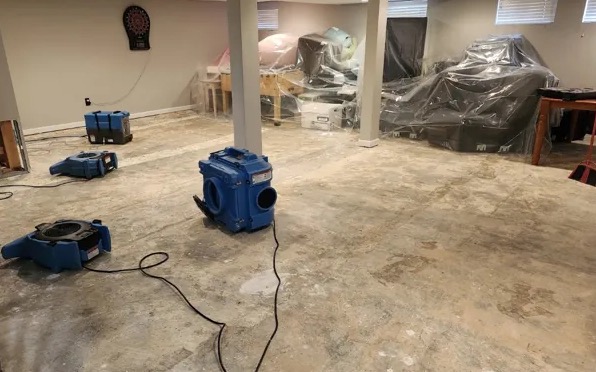
Professional Desiccant Dehumidification in Camp Springs, MD
Desiccant dehumidifiers dry air differently from the refrigerant units most people know. Instead of cooling air to condense water, they pass it over a material that absorbs moisture, which lets them keep working in cool spaces and reach very low humidity.
Homes, job sites and commercial buildings in Camp Springs and nearby Temple Hills, Oxon Hill and Suitland sometimes need more drying power than standard equipment provides. Help with desiccant dehumidification covers those cases.
Desiccant Dehumidification Options Available in Camp Springs
Firefighting Water Drying
After a fire, water used by firefighters soaks walls, floors and ceilings. Desiccant drying helps dry those materials once debris is cleared.
Crawl Space Drying
Crawl spaces are cool and damp, which suits desiccant units. Dry air is pushed in to pull moisture from the joists and subfloor.
Flood Drying Services
After floodwater is pumped out, desiccant dehumidifiers can bring the air to very low humidity, which pulls moisture out of walls, floors and framing faster.
Mold Prevention Drying
Drying an area quickly after affected materials are removed limits regrowth. Desiccant units help reach low humidity in closed work areas.
Emergency Dehumidification
Equipment is sized to the space on the first visit and adjusted each day based on readings.
Warning Signs You Need Desiccant Dehumidification in Camp Springs
Spongy Drywall or Soft Spots
Drywall that feels soft or spongy has absorbed water and may need removal if it does not dry.
Visible Condensation on Windows
Windows that fog or drip inside show the air holds too much moisture for materials to dry.
High Humidity Readings on Meter
A hygrometer that keeps reading high humidity days after a leak shows the space is not drying.
Recent Water Damage Event
Any recent leak or flood that soaked drywall, flooring or framing needs drying beyond a household unit.
How Desiccant Dehumidification Works in Camp Springs
Step 1: First Call and Setup
Help is available any hour, and drying equipment is set up as soon as standing water is removed.
Step 2: Dry Air Environment
The space is closed off so dehumidifiers can bring humidity down quickly.
Step 3: Continuous Moisture Removal
Equipment runs around the clock, pulling moisture from walls, floors and framing.
Step 4: Restoration Verification
Readings are compared to unaffected dry areas before any equipment is removed from the site.
What Leads to Humidity Damage Needing Desiccant Dehumidification in Camp Springs
Foundation Cracks and Seepage
Foundation cracks let groundwater seep into lower levels, keeping walls and floors damp.
New Construction Moisture Trapped
New concrete, drywall mud and framing on job sites hold moisture until they are dried.
Plumbing Leaks or Pipe Bursts
Burst pipes and leaking supply lines soak walls and floors that then need drying.
Roof Leaks From Damaged Shingles
Roof leaks from damaged shingles soak attic insulation, roof decking and the ceilings below.
Both Residential and Commercial Desiccant Dehumidification in Camp Springs
Residential Desiccant Dehumidification
Homeowners with damp basements may need desiccant drying after a flood because cool concrete and air slow standard units.
Commercial Desiccant Dehumidification
Warehouses with large slabs and stock need humidity kept low during drying to protect inventory and dry the concrete.
Hiring Local Pros for Desiccant Dehumidification in Camp Springs
Do not run drying equipment on materials soaked by sewage or floodwater before they are cleaned or removed, since that spreads contamination through the house.
Investing in Desiccant Dehumidification for Camp Springs Properties
The cost of desiccant dehumidification in Camp Springs depends on the size of the wet area, how wet the materials are and how long the equipment needs to run.
Moisture Saturation Level
Materials that are fully soaked take longer to dry than lightly damp ones.
Type of Water Damage
Floodwater and sewage need cleaning and removal of materials before drying, which adds cost.
Additional Restoration Steps
Extraction, material removal and cleaning before drying are separate steps that add to the total.
Does Insurance Cover Desiccant Dehumidification?
Daily humidity and moisture logs from local water damage restoration pros help support an insurance claim for drying after water damage in Camp Springs.
The Value of Local Pros for Desiccant Dehumidification in Camp Springs
Prevention of Mold
Fast, complete drying is one of the main ways to keep mold from starting after water damage.
24/7 Emergency Response
Help is available day or night to set up drying equipment after a leak or flood.
Damage Assessment
The full affected area is checked, including rooms next to and below the source.
24/7 Emergency Desiccant Dehumidification in Camp Springs
Night, weekend or holiday, local water damage restoration pros set up drying equipment in Camp Springs. Call (410) 862-3857 any time to get drying started.
Call Now (410) 862-3857Locations for Desiccant Dehumidification Around Camp Springs
Help with desiccant dehumidification is also available in communities near Camp Springs, including Temple Hills, Oxon Hill and Suitland, for floods, crawl spaces and commercial buildings.
- Desiccant Dehumidification in Temple Hills
- Desiccant Dehumidification in Oxon Hill
- Desiccant Dehumidification in Suitland
- Desiccant Dehumidification in Clinton
- Desiccant Dehumidification in Forestville
- Desiccant Dehumidification in Fort Washington
- Desiccant Dehumidification in Coral Hills
- Desiccant Dehumidification in Walker Mill
Common Desiccant Dehumidification Questions Answered
What equipment is used for commercial building drying?
High-capacity desiccant or refrigerant dehumidifiers, air movers, moisture meters and sometimes ducting to direct dry air.
What does water damage dehumidification include?
Taking readings, placing dehumidifiers and air movers, logging progress daily and confirming materials are dry.
Why use desiccant drying after a fire?
Firefighting water soaks large areas, and high-capacity drying helps remove that moisture once debris is cleared.
How long does crawl space drying typically take?
Often several days, depending on how wet the framing is and how cool and damp the space stays.
What is desiccant dehumidification used for?
Drying spaces after water damage where standard dehumidifiers struggle, such as cool crawl spaces, large buildings and dense materials.