Wheaton, MD · Montgomery County
Crawl Space Water Removal in Wheaton, MDCrawl Space Dehumidification & Crawl Space Debris Removal
Crawl Space Water Removal in Wheaton covers crawl space water extraction, crawl space dehumidification and crawl space debris removal.
Answered 24/7
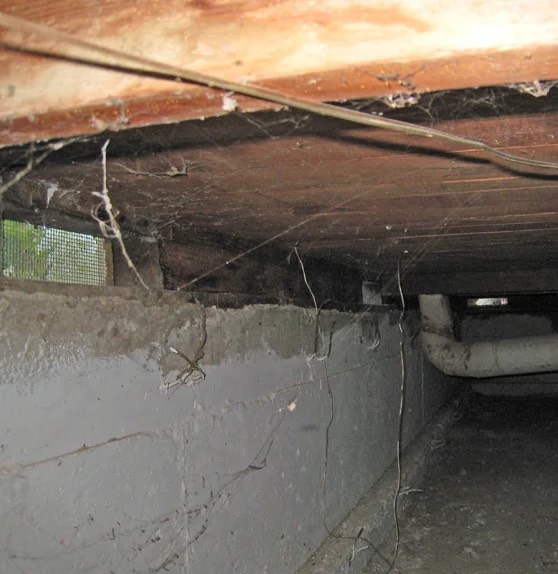
Professional Crawl Space Water Removal in Wheaton, MD
A burst pipe under a house in Wheaton can flood the crawl space before anyone notices. Low water pressure or the sound of running water under the floor are common clues.
In Wheaton, crawl space water often shows up first as a musty smell indoors. Local restoration pros serve Wheaton, Aspen Hill, Silver Spring and Takoma Park, finding the water and drying under the house.
Crawl Space Water Removal Services in Wheaton
Crawl Space Dehumidification
Crawl space air stays damp after water removal. Dehumidifiers run until both humidity and wood readings are normal.
Crawl Space Debris Removal
Contaminated debris from floodwater or a sewer leak is removed with protective gear and disposed of properly.
Crawl Space Vapor Barrier Repair
Torn or loose sections of the vapor barrier are replaced after the crawl space is dry, so ground moisture stays out of the framing.
Crawl Space Sump Pump Installation
A sump pump in a crawl space is placed where water naturally collects, with discharge piped away from the foundation.
Crawl Space Water Extraction
Water under the house is pulled out with submersible pumps set at the low point, then extraction tools clear the barrier and corners.
How to Know You Need Crawl Space Water Removal
Active Mold or Mildew
Visible mold on joists or the underside of the subfloor means the wood has stayed damp too long.
Visible Standing Water
Standing water seen from the crawl space access opening needs pumping right away.
Soggy or Deteriorating Insulation
Insulation that is wet, sagging or crumbling has been holding water under the floor.
High Humidity in Your Home
Rooms that feel humid even with the AC running can have moisture coming up from below.
How Crawl Space Water Removal Works in Wheaton
Step 1: Source Identification
The pros check plumbing, drainage and foundation to find where the water came from.
Step 2: Water Extraction
Water is pumped and extracted from the barrier, soil and low spots near the walls.
Step 3: Structural Drying
Joists, beams and subfloor are dried with directed airflow until readings drop.
Step 4: Prevention Plan
Sump pump, barrier and drainage options are explained to keep water out in the future.
Why Crawl Spaces Flood in Wheaton
Appliance Malfunction or Overflow
Washers, water heaters and dishwashers can leak through the floor into the crawl space.
HVAC Condensate Drain Overflow
AC condensate lines that drain or leak into the crawl space keep it wet.
Plumbing Leaks Under the House
Supply and drain pipes under the house can leak or burst into the crawl space.
Cracked Foundation Walls or Footings
Cracks in foundation walls and footings let water seep into the crawl space.
Property Crawl Space Water Removal Solutions in Wheaton
Residential Crawl Space Water Removal
Older homes may have thin or missing barriers. After drying is a good time to replace them with a full barrier.
Commercial Crawl Space Water Removal
Shops and restaurants in older buildings may have plumbing under the floor. Leaks there are pumped and dried quickly to keep floors firm.
Crawl Space Water Removal vs. DIY: When to Call the Pros
Opening crawl space vents does not reliably dry the space and can let humid air in. Professional drying uses dehumidifiers and readings to confirm the wood is dry.
Budgeting for Crawl Space Water Removal in Wheaton
Insulation and barrier replacement, sump pump installation and after-hours calls all add to the total for crawl space water removal in Wheaton.
Structural Damage
Weakened joists or subfloor found during drying add repair work after the water is gone.
Access Difficulty
Low, tight or partly blocked crawl spaces take longer to work in safely.
Contamination Level
Water from drains, sewers or floods needs protective gear and cleanup, which costs more.
Does Insurance Cover Crawl Space Water Removal?
Coverage for crawl space water removal depends on the cause and your policy. The pros document the damage and drying, and your insurer decides what is covered.
Why Choose Local Pros for Crawl Space Water Removal in Wheaton
Sump Pump Options
Where water keeps returning, sump pump options are explained after the crawl space is dry.
Debris Removal
Mud, debris and contaminated materials are removed so the crawl space can dry and stay clean.
Moisture Removal
Water, wet insulation and damp air are all removed, not just the standing water.
Emergency Crawl Space Water Removal for Wheaton
Running water sound under the floor or a sudden musty smell? Call (410) 862-3857 now for crawl space water removal in Wheaton and get it checked.
Call Now (410) 862-3857Local Crawl Space Water Removal Coverage for Wheaton
Help with crawl space water removal is also available in communities near Wheaton, including Aspen Hill, Silver Spring and Takoma Park, for flooded and damp crawl spaces.
- Crawl Space Water Removal in Aspen Hill
- Crawl Space Water Removal in Silver Spring
- Crawl Space Water Removal in Takoma Park
- Crawl Space Water Removal in Rockville
- Crawl Space Water Removal in Bethesda
- Crawl Space Water Removal in Hyattsville
- Crawl Space Water Removal in Mount Rainier
- Crawl Space Water Removal in Olney
Crawl Space Water Removal FAQ for Wheaton Homeowners
How is crawl space debris removal handled?
Mud, leaves, fallen insulation and other debris are bagged and removed after the water is pumped out.
How long does crawl space drying take?
Often several days. Dehumidifiers run until humidity and wood readings under the house are back to normal.
Can a wet crawl space cause mold?
Yes. Damp wood and insulation under the house can support microbial growth if they stay wet for days.
What equipment is used for crawl space water extraction?
Submersible pumps, extraction tools, dehumidifiers sized for crawl spaces, air movers and moisture meters for the framing.
Is crawl space flood cleanup a DIY job?
Not usually. Tight spaces, electrical hazards and contaminated water make it a job for equipment and protective gear.