Arnold, MD · Anne Arundel County
Basement Water Damage Restoration in Arnold, MDBasement Wall Drying & Basement Drying Services
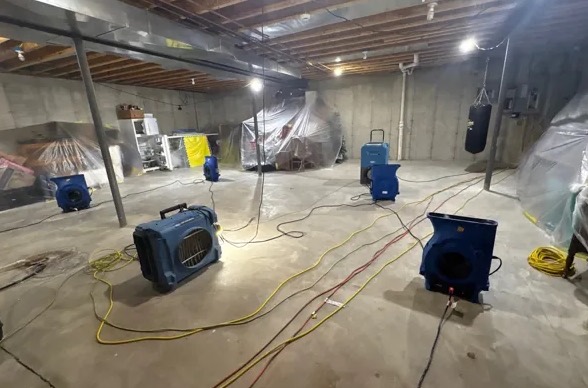
Basement Water Damage Restoration in Arnold runs from basement water extraction and basement floor water removal to basement dehumidification.
Answered 24/7
Basement Water Damage Restoration Solutions in Arnold, Maryland
Sewage backups are one of the most common problems in any basement or lower level, including in Arnold. Water coming up through a floor drain or basement toilet carries bacteria and needs a different cleanup than clean water.
In Arnold, a home with a basement or below-grade room can flood after heavy rain or a blocked sewer line. Local water damage pros serve Arnold, Cape St. Claire, Annapolis and Severna Park, pumping out water and drying finished and unfinished spaces.
Professional Basement Water Damage Restoration Offered in Arnold
Basement Wall Drying
Finished basement walls hide wet insulation and framing. Removing the bottom of the drywall lets air reach the cavity.
Basement Drying Services
Equipment is adjusted each day based on moisture readings until every material reaches its normal level.
Basement Mold Prevention
Keeping basement humidity low after drying helps prevent mold from returning, especially in finished spaces.
Basement Dehumidification
Large dehumidifiers pull moisture from the basement air so walls, framing and the slab can release their water.
Basement Floor Water Removal
A slab can look dry on top while still holding water. Moisture readings show when it is ready for new flooring.
Warning Signs You Need Basement Water Damage Restoration
Mold on Surfaces
Dark spots on drywall, framing or stored boxes mean the area has stayed wet for days.
Peeling Paint or Wallpaper
Paint that peels or blisters on basement walls often has moisture behind it.
Warped or Buckling Basement Floors
Laminate, wood or vinyl flooring that buckles or lifts in the basement has water underneath.
Efflorescence on Concrete Walls
White, chalky deposits on concrete walls mean water is moving through the concrete and leaving minerals behind.
How Basement Water Damage Restoration Works in Arnold
Step 1: Floodwater Pump-Out
Submersible pumps remove deep water, and electrical hazards are checked before anyone walks in it.
Step 2: Deep Moisture Extraction
Extractors pull water from carpet, pad and the concrete floor after the deep water is gone.
Step 3: Air Circulation and Drying
Air movers keep dry air moving across walls and floors throughout the basement.
Step 4: Dehumidification and Verification
Dehumidifiers run until humidity and material readings confirm the basement is dry.
Typical Sources of Basement Water Damage in Arnold
Faulty Basement Waterproofing
Old or failed waterproofing on foundation walls lets water through during wet weather.
Foundation Cracks and Leaks
Cracks in foundation walls let groundwater and melting snow seep into the basement.
Failed or Clogged Drain Tile
Clogged or collapsed drain tile around the foundation lets water build up against the walls.
Stormwater Runoff Into Lower Levels
Heavy rain running off hard ground or a sloped yard can pour down stairwells and under doors into below-grade rooms.
Home and Business Basement Water Damage Restoration in Arnold
Residential Basement Water Damage Restoration
A sewer backup in a home basement needs contaminated carpet, pad and drywall removed and every hard surface disinfected before drying.
Commercial Basement Water Damage Restoration
In restaurants and stores with basements, sewage backups need fast containment so contamination does not reach food or customer areas.
Basement Water Damage Restoration vs. DIY: When to Call the Pros
Sewage in a basement should not be cleaned up without gloves, boots and eye protection. For any backup through a floor drain or toilet, call local water damage pros.
Understanding Basement Water Damage Restoration Pricing in Arnold
Sewage cleanup, finished walls, storm-night calls and damaged appliances all add to the total for basement water damage restoration in Arnold.
Water Category
Clean water costs less to handle than sewage, which needs protective gear, removal and disinfection.
Access Complexity
Narrow stairs, low ceilings and stored contents can make the work slower.
Drying Time Required
Basements dry slowly, and longer drying means more equipment days and monitoring visits.
Does Insurance Cover Basement Water Damage Restoration?
Many homeowner policies cover sudden basement water from a burst pipe, but not seepage or groundwater. Sewer backup coverage is often a separate add-on, so check your policy.
The Value of Local Pros for Basement Water Damage Restoration in Arnold
Water Type Handling
Clean water, gray water and sewage are each handled with the right protection and removal steps.
Industrial-Grade Equipment
Pumps, extractors and large dehumidifiers remove water much faster than household wet vacs and fans.
Detailed Documentation
Photos, readings and drying logs are kept to support your insurance claim.
24/7 Emergency Basement Water Damage Restoration in Arnold
Every hour of standing water in a basement means more drywall and flooring to replace. Call (410) 862-3857 for basement water damage restoration in Arnold.
Call Now (410) 862-3857Regions Served for Basement Water Damage Restoration Near Arnold
Need basement water damage restoration outside Arnold? Service also covers Cape St. Claire, Annapolis and Severna Park, including emergency help during storms.
- Basement Water Damage Restoration in Cape St. Claire
- Basement Water Damage Restoration in Annapolis
- Basement Water Damage Restoration in Severna Park
- Basement Water Damage Restoration in Riviera Beach
- Basement Water Damage Restoration in Pasadena
- Basement Water Damage Restoration in Glen Burnie
- Basement Water Damage Restoration in Crofton
- Basement Water Damage Restoration in Ferndale
- Emergency Damage Restoration in 21012
- Storm Damage Restoration in 21012
- Water Damage Restoration in 21012
- Water Extraction Service in 21012
- Water Leak Detection in 21012
- Water Removal Service in 21012
Basement Water Damage Restoration Common Questions Answered
What is involved in basement water damage restoration?
Pumping out water, removing soaked materials, cleaning contaminated areas, drying walls, framing and concrete, and dehumidifying until readings are normal.
Why is dehumidification so important after basement water removal?
Basements hold moisture in the air and concrete. Without dehumidifiers, walls and framing stay damp long after the water is gone.
Why is quick action important for below-grade flood restoration?
Basements dry slowly, so every hour of standing water adds days of drying and more material to replace.
What causes the most common below-grade leaks in homes?
Sump pump failures, foundation cracks, clogged drain tile, sewer backups and burst pipes in the basement ceiling.
How is basement sewer backup cleanup different from regular flooding?
Sewage carries bacteria, so it needs protective gear, removal of porous materials and disinfection before drying.