Owings Mills, MD · Baltimore County
Attic Water Removal in Owings Mills, MDEmergency Attic Water Extraction & Roof Leak Water Removal
For a storm leak, Attic Water Removal in Owings Mills means emergency attic water extraction, roof leak water removal and attic moisture inspection.
Answered 24/7
Attic Water Removal Services for Owings Mills Homes
Attic Water Removal in Owings Mills covers both the attic and the room below. Water rarely stays on the attic floor; it soaks the ceiling and sometimes runs down the walls.
Homes in Owings Mills and nearby Randallstown, Milford Mill and Pikesville often have AC units, ducts and plumbing in the attic, as well as insulation. The pros handle water from any of those sources, plus roof leaks after storms.
Specialized Attic Water Removal for Owings Mills
Emergency Attic Water Extraction
Emergency extraction starts with buckets and containment under active drips, then moves to pulling pooled water off the attic floor.
Roof Leak Water Removal
The entry point is photographed and marked, which helps both the roofer and your insurance adjuster.
Attic Drying Services
Equipment is adjusted daily, moving airflow from areas that are dry to areas that still read wet.
Attic Moisture Inspection
Moisture meters and thermal cameras check rafters, decking, insulation and the ceiling below, even in spots that look dry.
Wet Attic Insulation Removal
Insulation that got soaked is removed from the wet bays and bagged. Leaving it in place keeps the ceiling drywall damp for weeks.
Symptoms Requiring Attic Water Removal in Owings Mills
Musty Odors in Your Home
A musty smell upstairs or at the attic hatch often points to wet insulation or damp wood above.
Wet or Damp Attic Insulation
Insulation that feels damp, looks dark or has packed down in one area has absorbed water.
Visible Mold in Attic Spaces
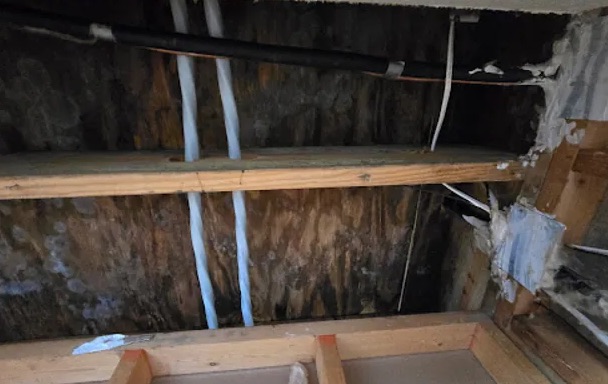
Dark spots on rafters or roof decking mean the wood has stayed damp for days or longer.
Puddles or Standing Water in Attic
Pooled water on the attic floor or on top of drywall needs removal right away.
How Attic Water Removal Works in Owings Mills
Step 1: Source Control and Water Removal
The roof is tarped or the line shut off, and pooled water is removed from the attic floor.
Step 2: Wet Attic Cleanup and Debris Removal
Soaked insulation, wet debris and stored items are cleared so the wood and drywall can dry.
Step 3: Structural Drying and Dehumidification
Air movers and dehumidifiers are set on boards in the attic and run until readings drop.
Step 4: Final Attic Moisture Check
Decking, rafters and the ceiling below are tested to confirm they are dry before repairs.
Why Attics Develop Water Damage
Clogged or Disconnected Gutters
Clogged or loose gutters let water back up under the roof edge and into the soffits.
Flashing Failures Around Roof Penetrations
Failed flashing around vents, chimneys and skylights lets rain run into the attic.
Condensation From Poor Attic Ventilation
Moist air from the house condenses on roof decking when attic ventilation is poor.
Storm Damage From High Winds or Hail
High winds and hail can damage shingles and open the roof to rain during a storm.
Attic Water Removal for Homes and Businesses
Residential Attic Water Removal
In townhomes and condos, a shared attic can carry water into a neighbor's ceiling. Clear photos and readings help sort out repairs with the association.
Commercial Attic Water Removal
Property managers get records for each affected suite or unit, which helps with roof repair planning and insurance claims.
The Risks of DIY Attic Water Removal in Owings Mills
If you can do it safely, look into the attic with a flashlight to find the wet area. Removing soaked insulation and drying the framing needs boards, protective gear and equipment.
Attic Water Removal Cost in Owings Mills, MD
An attic leak handled the same day in Owings Mills usually costs less than one left until the ceiling sags and has to be torn out.
Secondary Damage Repairs
Ceiling drywall replacement and paint in the room below add to the total.
Drying Time Required
Dense wood framing can take several days to dry, which adds equipment time.
Type of Insulation Affected
Blown-in insulation takes more time to remove than batts, and both add disposal costs.
Does Insurance Cover Attic Water Removal?
Photos, moisture readings and drying logs from local attic water removal pros help support an insurance claim for attic water damage in Owings Mills.
Selecting Local Pros in Owings Mills for Attic Water Removal
24/7 Emergency Response
Help is available day or night when water is coming through the ceiling.
Advanced Moisture Detection
Moisture meters and thermal cameras find wet wood and insulation that look dry.
Structural Drying Focus
Rafters, decking and the ceiling are dried, not just the spot under the drip.
24/7 Attic Water Removal Response in Owings Mills
Ceiling sagging under the weight of water? Keep people out of the room below and call (410) 862-3857 now for attic water removal in Owings Mills.
Call Now (410) 862-3857Attic Water Removal Service Area Around Owings Mills
Help with attic water removal is also available in communities near Owings Mills, including Randallstown, Milford Mill and Pikesville, for roof leaks and attic plumbing failures.
- Attic Water Removal in Randallstown
- Attic Water Removal in Milford Mill
- Attic Water Removal in Pikesville
- Attic Water Removal in Reisterstown
- Attic Water Removal in Lochearn
- Attic Water Removal in Mays Chapel
- Attic Water Removal in Cockeysville
- Attic Water Removal in Lutherville
- Emergency Damage Restoration in 21117
- Storm Damage Restoration in 21117
- Water Damage Restoration in 21117
- Water Extraction Service in 21117
- Water Leak Detection in 21117
- Water Removal Service in 21117
Your Attic Water Removal FAQs Resolved
Will attic water damage cause mold?
It can if wood and insulation stay wet for days. Fast removal and drying are the main ways to prevent mold.
Can I remove attic water myself?
Only small amounts that are easy to reach safely. Pooled water and soaked insulation need safe footing and drying equipment.
What is an attic moisture inspection?
A check of rafters, decking, insulation and the ceiling below with moisture meters and thermal cameras to find all wet areas.
What is involved in attic water removal?
Stopping the source, removing pooled water, bagging wet insulation, drying the framing and decking, and checking the ceiling below.
What causes attic water damage?
Roof leaks, plumbing failures, attic AC overflows, water heater leaks, loose bath fan ducts and poor ventilation.