Wheaton, MD · Montgomery County
Attic Water Extraction in Wheaton, MDAttic Moisture Inspection & Wet Attic Insulation Removal
Attic Water Extraction in Wheaton runs from attic leak water cleanup and attic drying services to ceiling water damage cleanup.
Answered 24/7
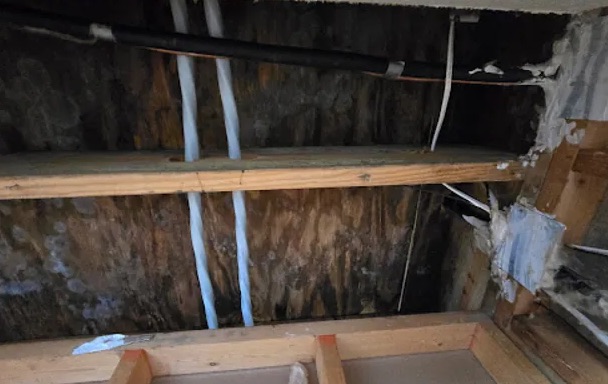
Emergency Attic Water Extraction for Wheaton Homes
Wet insulation is the main problem in attic leaks. It soaks up water, gets heavy and keeps the drywall underneath wet long after the leak stops. In Wheaton homes, removing it is usually the first step after extraction.
Homes in Wheaton and nearby Aspen Hill, Silver Spring and Takoma Park have attics that hold insulation, ductwork and often an AC unit or water heater. The pros remove water from roof leaks and equipment failures and dry the framing.
Comprehensive Attic Water Extraction Services in Wheaton
Attic Moisture Inspection
Moisture meters and thermal cameras check decking, rafters, insulation and ceiling drywall for water that is not visible.
Wet Attic Insulation Removal
Soaked insulation holds water like a sponge and keeps the ceiling below wet. It is bagged and removed so the area underneath can dry.
Attic Leak Water Cleanup
Leak cleanup clears water, wet debris and fallen insulation from the attic floor so the wood and ceiling can start drying.
Attic Mold Prevention
Drying the attic quickly is the main way to limit mold on wood. Treatment is added for areas that were wet for days.
Roof Leak Water Removal
A tarp can be placed over the damaged roof area to stop more water from coming in while extraction and drying continue.
Detecting the Need for Attic Water Extraction in Your Attic
Water Dripping From Light Fixtures
Water dripping from a ceiling light or fan is a sign of an active leak above. Turn off that circuit.
Puddles or Standing Water
Pooled water on the attic floor or on top of drywall needs extraction right away.
Increased Indoor Humidity
Upstairs rooms that feel humid or clammy may have moisture coming down from the attic.
Musty Odors From Attic
A musty smell from the attic hatch or upstairs rooms often points to wet insulation or wood.
How Attic Water Extraction Works in Wheaton
Step 1: Safety Assessment and Water Containment
Wet fixtures are shut off, the room below is protected and buckets catch active drips.
Step 2: Bulk Water Extraction
Wet vacs and pumps remove standing water from between joists and on top of the drywall.
Step 3: Targeted Drying of Affected Materials
Airflow is aimed at the wettest wood and drywall, and equipment is moved as areas dry.
Step 4: Documentation for Restoration
Photos, readings and a list of removed materials are prepared for insurance and repairs.
Why Attics Need Water Extraction in Wheaton
Aging or Deteriorated Roofing Materials
Old, curled or cracked shingles and worn underlayment let water through during heavy rain.
Ice Dam Formation on Roof
Ice dams at the roof edge back melting snow up under the shingles and into the attic.
HVAC System Condensate Overflow
AC air handlers in the attic overflow when the condensate line clogs or the pan cracks.
Plumbing Leaks in Attic
Supply lines and water heaters in the attic can leak or burst onto the ceiling below.
Attic Water Extraction Across Property Types in Wheaton
Residential Attic Water Extraction
Homeowners often keep boxes and seasonal items in the attic. Wet items are moved out first so the floor can be extracted and the insulation removed.
Commercial Attic Water Extraction
Offices and stores need the area below protected during attic work. Extraction and drying are planned around business hours where possible.
The Risks of DIY Attic Water Extraction in Wheaton
Do not walk on attic drywall between the joists. It will not hold your weight. If water is pooled up there, call (410) 862-3857 instead of trying to reach it.
What Influences Attic Water Extraction Cost in Wheaton
Storm calls, tight attic access, insulation replacement and ceiling repair all add to the total for attic water extraction in Wheaton.
Size of the Affected Area
A leak that spread across the whole attic costs more than one confined to a single bay.
Required Drying Time
Dense framing and decking can take several days to dry, adding equipment time.
Emergency Service Timing
Night, weekend and storm calls can cost more than a scheduled visit.
Does Insurance Cover Attic Water Extraction?
Coverage for attic water extraction depends on the cause of the leak and your policy. The pros record the damage and drying, and your insurer decides the rest.
Advantages of Hiring Local Pros for Attic Water Extraction in Wheaton
24/7 Emergency Response
Help is available day or night when a storm or burst pipe puts water in the attic.
Mold Prevention Focus
Fast drying of attic wood is the main way to limit microbial growth after a leak.
Detailed Documentation
Photos, readings and drying logs are kept to support your insurance claim.
Urgent Attic Water Extraction Available in Wheaton
The longer insulation stays wet, the more ceiling has to be replaced. Call (410) 862-3857 for attic water extraction in Wheaton as soon as you see a drip.
Call Now (410) 862-3857Attic Water Extraction for Wheaton and Surrounding Communities
Besides Wheaton, local attic water extraction pros remove attic water, wet insulation and soaked ceilings in nearby Aspen Hill, Silver Spring and Takoma Park.
Frequently Asked Questions About Attic Water Extraction
How quickly should I deal with water in my attic?
Right away. Water sitting on ceiling drywall can make it sag or fall within a day, and wet wood starts to break down.
Is microbial growth common after an attic leak?
It is more likely when wood and insulation stay wet for days. Fast extraction and drying lower that risk.
What is the purpose of attic mold prevention?
To slow microbial growth on wood that stayed wet, by drying it quickly and treating it with an antimicrobial if needed.
Can I remove attic water myself?
Small drips onto plastic can be handled, but pooled water and soaked insulation need safe footing, equipment and drying.
Does a roof leak always cause attic water damage?
Almost always some. Even a small leak wets the decking and insulation, which should be checked and dried.