Maryland City, MD · Anne Arundel County
Attic Water Extraction in Maryland City, MDWet Attic Insulation Removal & Roof Leak Water Removal
Homeowners in Maryland City get Attic Water Extraction for emergency attic water extraction, attic mold prevention and attic moisture inspection.
Answered 24/7
Local Attic Water Extraction Services in Anne Arundel County
After heavy storms in Maryland City, attics can take on water through lifted shingles, open vents or punctures from debris. Getting the water out quickly limits damage to the ceilings and walls below.
A storm in Maryland City can push water into an attic in one night. Local water damage pros serve Maryland City and nearby Laurel, North Laurel and Savage, with extraction available around the clock.
Detailed Attic Water Extraction Offerings in Maryland City
Wet Attic Insulation Removal
Soaked insulation holds water like a sponge and keeps the ceiling below wet. It is bagged and removed so the area underneath can dry.
Roof Leak Water Removal
A tarp can be placed over the damaged roof area to stop more water from coming in while extraction and drying continue.
Attic Leak Water Cleanup
Water from a roof or plumbing leak usually runs along rafters before it drips. Cleanup follows that path and removes water wherever it pooled.
Attic Drying Services
Air movers and dehumidifiers are set on boards across the joists to dry rafters, decking and the ceiling below safely.
Attic Moisture Inspection
The inspection maps where the water went from the leak point, which decides what is extracted, removed or dried in place.
Detecting the Need for Attic Water Extraction in Your Attic
Condensation on Attic Surfaces
Droplets or damp patches on the underside of the roof decking point to a moisture and ventilation problem.
Visible Mold in Attic
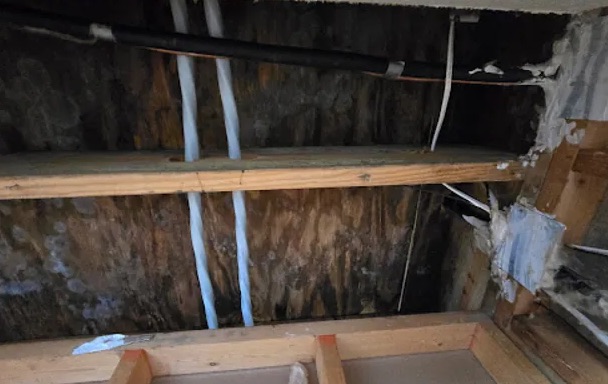
Dark spots on rafters or decking mean the wood has stayed damp for some time.
Insect Infestations in Attic
Wet wood draws insects, so new activity in the attic can be a sign of an ongoing leak.
Rotting Wood in Attic
Soft or crumbling wood in the attic, especially around vents and valleys, points to long-term leaks.
How Attic Water Extraction Works in Maryland City
Step 1: Attic Leak Source Identification
The pros trace the water to the roof, a pipe or the AC pan and stop it with a tarp or shut-off.
Step 2: Flooded Attic Cleanup
Water, wet debris and fallen insulation are removed, and stored items are moved out of the attic.
Step 3: Structural Drying Setup
Equipment is placed to dry the framing and decking, with the room below checked and dried too.
Step 4: Attic Mold Prevention Treatment
Once dry, wood that stayed wet for days can be cleaned and treated with an antimicrobial.
Common Causes of Attic Water Damage in Maryland City
Bathroom Exhaust Fan Vent Leaks
Bathroom fans vented into the attic, or with loose ducts, release moisture onto the wood.
Aging or Deteriorated Roofing Materials
Old, curled or cracked shingles and worn underlayment let water through during heavy rain.
Plumbing Leaks in Attic
Supply lines and water heaters in the attic can leak or burst onto the ceiling below.
Condensation From Poor Ventilation
Warm, moist air from the house condenses on roof decking when the attic lacks ventilation.
Attic Water Extraction Across Property Types in Maryland City
Residential Attic Water Extraction
In townhomes and condos, attic leaks can cross into a neighbor's space. Clear photos and readings help sort out repairs with the association.
Commercial Attic Water Extraction
Property managers get records for each affected unit or suite, which helps with roof repair planning and insurance claims.
Why DIY Attic Water Extraction Often Fails in Maryland City
If it is safe, you can look into the attic with a flashlight to find the wet area. Removing water and insulation from between joists takes boards, protective gear and drying equipment.
What Influences Attic Water Extraction Cost in Maryland City
The cost of attic water extraction in Maryland City depends on how much water reached the attic, how much insulation is soaked and how long the framing takes to dry.
Access and Complexity
Low headroom, tight access hatches and narrow joists make the work slower.
Emergency Service Timing
Night, weekend and storm calls can cost more than a scheduled visit.
Mold Prevention Steps
Antimicrobial treatment of wood that stayed wet is an added step, priced by area.
Does Insurance Cover Attic Water Extraction?
Many homeowner policies cover sudden storm damage and burst pipes in the attic, but not leaks from worn roofing or poor upkeep. Read your policy and call your insurer early.
Advantages of Hiring Local Pros for Attic Water Extraction in Maryland City
Advanced Moisture Detection
Moisture meters and thermal cameras find wet insulation and wood that look dry.
Mold Prevention Focus
Fast drying of attic wood is the main way to limit microbial growth after a leak.
Dehumidification Plan
Dehumidifiers and air movers are placed for the attic's size and airflow, then adjusted daily.
Around-the-Clock Attic Water Extraction in Maryland City
The longer insulation stays wet, the more ceiling has to be replaced. Call (410) 862-3857 for attic water extraction in Maryland City as soon as you see a drip.
Call Now (410) 862-3857Attic Water Extraction Near Maryland City: Areas Served
Nearby areas served for attic water extraction include Laurel, North Laurel and Savage, with the same extraction and drying steps used in Maryland City.
Common Attic Water Extraction Questions Answered
Can I remove attic water myself?
Small drips onto plastic can be handled, but pooled water and soaked insulation need safe footing, equipment and drying.
What happens during ceiling water damage cleanup?
Water in the ceiling is drained, sagging drywall is removed, debris is cleared and the cavity is dried before repairs.
Why is a moisture inspection important after extraction?
Extraction removes pooled water, but wood and drywall stay wet inside. Meters show what still needs drying.
What is involved in professional attic water extraction?
Catching drips, vacuuming pooled water from decking and drywall tops, removing soaked insulation and drying the framing and ceiling below.
What equipment is used for attic drying services?
Air movers, dehumidifiers, moisture meters and thermal cameras, plus wet vacs and HEPA vacuums for water and insulation removal.