Clinton, MD · Prince George's County
Antimicrobial Treatment Services in Clinton, MDCrawl Space Antimicrobial Treatment & HVAC Duct Sanitization
Antimicrobial Treatment Services in Clinton cover post flood disinfection services, mold remediation antimicrobial treatment and bathroom mold treatment for wet homes.
Answered 24/7
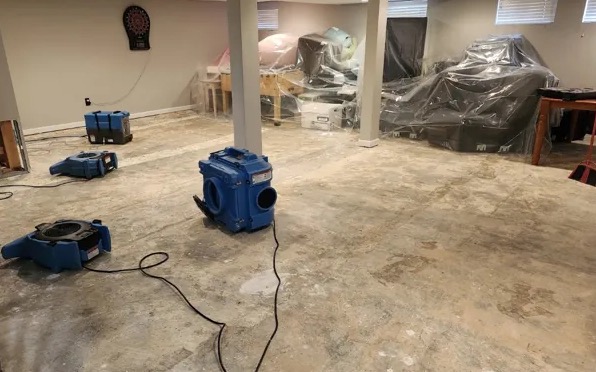
Professional Antimicrobial Treatment Services in Clinton, MD
Antimicrobial Treatment Services in Clinton are most often needed after a sewage backup, a flood or a leak that went unnoticed for days. Those are the situations where surfaces are likely to carry contamination or odor.
In Clinton, antimicrobial treatment is usually part of a larger water damage job. Local disinfection specialists serve Clinton, Camp Springs, Oxon Hill and Temple Hills, treating framing, subfloors and hard surfaces once drying is complete.
Antimicrobial Treatment Services Options for Clinton Properties
Crawl Space Antimicrobial Treatment
Wet insulation and debris are removed from the crawl space first, then wood framing is cleaned and coated where moisture sat.
HVAC Duct Sanitization
Ducts that pulled in damp, musty air are cleaned before treatment. The source of the moisture, such as a full drain pan, is fixed first.
Kitchen Surface Disinfection
Kitchen leaks often hide under the sink base. The base is opened, dried and treated so it does not keep smelling after repairs.
Bathroom Mold Treatment
Treatment works only if the moisture source is stopped. Leaking fixtures and poor exhaust ventilation are pointed out so the problem does not return.
Mold Remediation Antimicrobial Treatment
Antimicrobial treatment is the last step after removal and drying, not a replacement for them. It treats wood and concrete that were wet but can be kept.
When to Consider Antimicrobial Treatment Services in Clinton
Poor Airflow From HVAC Vents
A musty smell from vents or weak airflow can mean moisture reached the ductwork or air handler.
Persistent Musty or Mildew Odors
A musty or sour smell that lingers after a leak was cleaned up suggests wet or contaminated materials are still in the room.
Recent Water Damage or Flooding
Any recent flood, sewage backup or long-running leak is a reason to have surfaces checked and cleaned before rebuilding.
Peeling Paint or Warped Drywall
Bubbling paint, soft drywall or warped trim show water got into the material, which may need removal before treatment.
How Antimicrobial Treatment Services Work in Clinton
Step 1: Emergency Response and Hazard Containment
For sewage or floodwater, the area is closed off and power to wet rooms is checked for safety.
Step 2: Affected Material Removal and Disposal
Contaminated carpet, pad and drywall are bagged and carried out, following local rules for disposing of sewage-soaked materials.
Step 3: Antimicrobial Fogging and Coating
Remaining framing and hard surfaces are treated by spraying, wiping or fogging, depending on the space.
Step 4: Final Sanitization and Walk-Through
Surfaces are wiped down, the area is checked, and the treatment record is shared with you.
Factors Contributing to Surface Sanitizing Issues in Clinton
Roof Leaks and Poor Ventilation
Roof leaks let water into attics and ceilings, where poor airflow keeps insulation and wood damp for days.
Poorly Maintained HVAC Systems
A clogged condensate drain or dirty coil can keep the air handler and nearby ductwork wet.
High Indoor Humidity Levels
Constant high humidity keeps materials damp enough for mold, even without a single large leak.
Inadequate Drying After Water Damage
Water damage that was mopped up but never fully dried leaves moisture inside walls and under floors.
Antimicrobial Treatment Services for Homes and Businesses in Clinton
Residential Antimicrobial Treatment Services
At home, treatment usually follows a sewage backup, a flooded floor or a leak found inside a wall. Kitchens, bathrooms and crawl spaces are the most common areas treated after drying.
Commercial Antimicrobial Treatment Services
In offices, restaurants and stores, treatment is planned around business hours where possible. Surfaces used by staff and customers are cleaned and disinfected before the space reopens.
When DIY Fails: Antimicrobial Treatment Services in Clinton
Running a dehumidifier and fixing a leaky fixture are good DIY steps. If a musty smell remains after a week, there is likely hidden moisture that needs to be found with meters.
Factors Affecting Antimicrobial Treatment Services Pricing in Clinton
Pricing for antimicrobial treatment services in Clinton is set after an inspection. The pros check moisture, look at the damage and explain what will be treated before starting.
Service Type Complexity
Fogging a whole room costs more than spot treatment of framing after a small leak.
Contamination Severity
Sewage and floodwater need more removal and disinfection than a clean water leak, which raises the cost.
Access and Containment
Crawl spaces, attics and ductwork take longer to reach and may need containment.
Does Insurance Cover Antimicrobial Treatment Services?
Coverage for antimicrobial treatment services varies from policy to policy. The pros document the work and the materials treated, but your insurer decides what is covered and what is not.
Benefits of Local Pros for Antimicrobial Treatment Services in Clinton
Documentation for Insurance
The product used, the areas treated and photos are recorded for your insurer.
Use of EPA-Registered Agents
Products are EPA-registered and applied according to their label directions, including re-entry times.
Surface and Air Treatment
Hard surfaces are cleaned and disinfected, and air scrubbers can be used while work is under way.
Emergency Antimicrobial Treatment in Clinton
Sewage backup in Clinton? Keep everyone out of the area, do not run water in the house and call (410) 862-3857. Help for contaminated water is available 24/7.
Call Now (410) 862-3857Antimicrobial Treatment Services Near Clinton: Areas Served
Besides Clinton, local disinfection specialists handle cleaning, disinfection and antimicrobial treatment in nearby Camp Springs, Oxon Hill and Temple Hills.
- Antimicrobial Treatment Services in Camp Springs
- Antimicrobial Treatment Services in Oxon Hill
- Antimicrobial Treatment Services in Temple Hills
- Antimicrobial Treatment Services in Fort Washington
- Antimicrobial Treatment Services in Suitland
- Antimicrobial Treatment Services in Coral Hills
- Antimicrobial Treatment Services in Forestville
- Antimicrobial Treatment Services in Walker Mill
- Emergency Damage Restoration in 20735
- Storm Damage Restoration in 20735
- Water Damage Restoration in 20735
- Water Extraction Service in 20735
- Water Leak Detection in 20735
- Water Removal Service in 20735
Frequently Asked Questions About Antimicrobial Treatment Services
Does antimicrobial treatment replace drying?
No. Treatment only works on clean, dry surfaces. Water must be removed and materials dried before any product is applied.
Is kitchen surface disinfection different from regular cleaning?
Yes. Surfaces that touched dirty water are cleaned and then disinfected with a product suited to food-prep areas.
Can I stay home during antimicrobial treatment?
Usually yes, but keep out of treated rooms until the product dries and the label re-entry time has passed.
How does bathroom mold treatment deal with hidden moisture?
The leak behind the tub, toilet or shower is found and fixed first, then wet materials are dried or replaced before treatment.
Why is emergency sewage sanitization different from regular cleaning?
Sewage and contaminated water carry bacteria and other contaminants, so they need protective gear, containment and disinfection, not just drying.