Woodlawn, MD · Baltimore County
AC Unit Water Removal in Woodlawn, MDAC Leak Mold Prevention & AC Leak Water Extraction
AC Unit Water Removal in Woodlawn runs from emergency AC water removal and AC leak water cleanup to air conditioner restoration services.
Answered 24/7
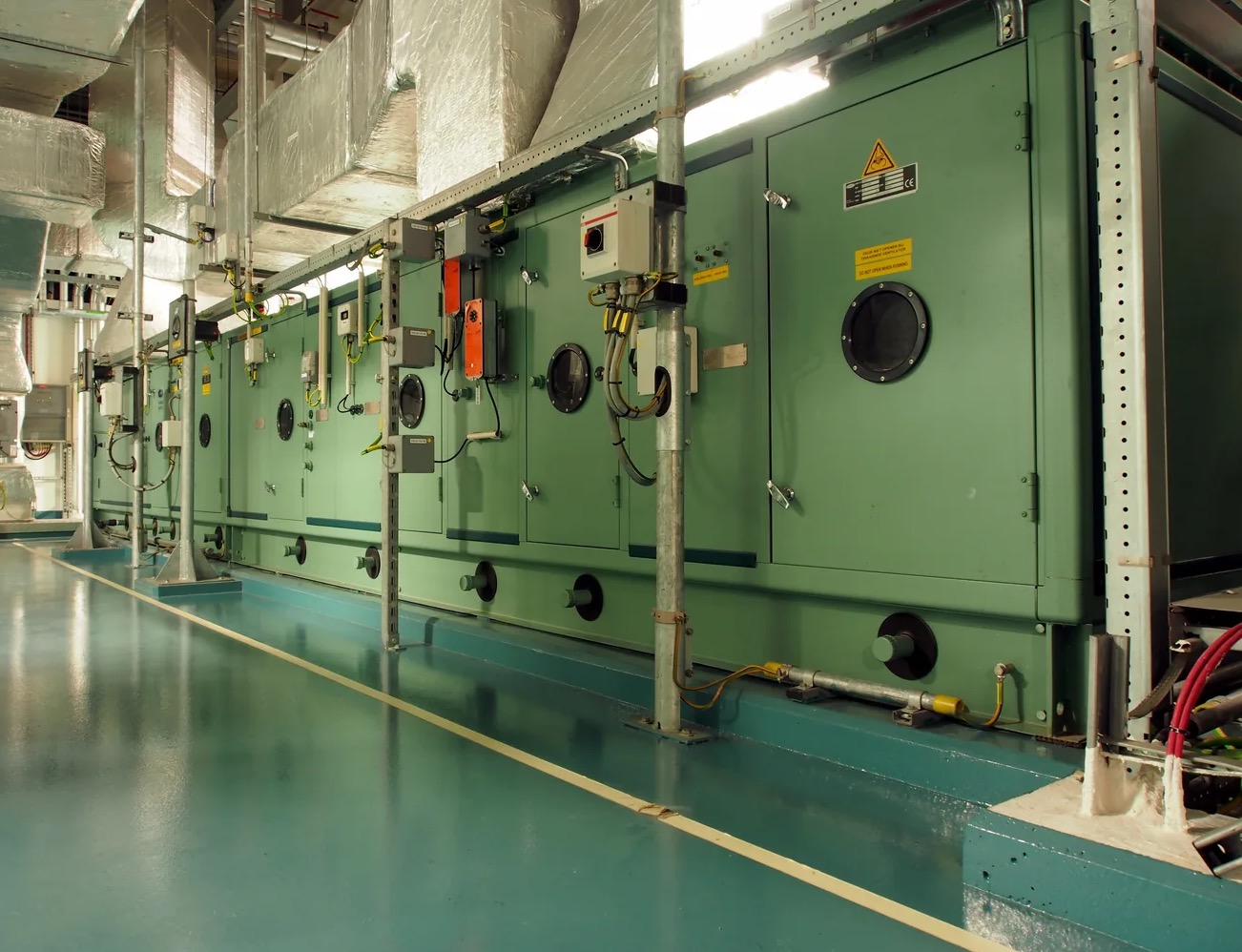
Expert AC Unit Water Removal for Woodlawn Homes
AC Unit Water Removal in Woodlawn covers the whole leak, from removing standing water to drying wet materials and repairing drywall or trim afterward. Each step depends on how far the water traveled and how long it sat.
In Woodlawn, AC leaks usually show up as ceiling stains under attic units, wet carpet near the furnace closet or water dripping from a vent. Help with AC unit water removal is available across Woodlawn and in Milford Mill, Catonsville and Lochearn, day or night, with extraction, drain clearing and drying.
The AC Unit Water Removal Process in Woodlawn, MD
AC Leak Mold Prevention
Once materials are dry, an EPA-registered antimicrobial can be applied to wet wood and drywall near the unit to slow microbial growth.
AC Leak Water Extraction
Extraction is followed by drying with air movers and dehumidifiers, with daily readings to track progress.
Air Conditioner Restoration Services
Work finishes with cleanup and a check that the unit drains properly, so the leak does not return.
Emergency AC Water Removal
A sudden AC flood can soak a ceiling or floor in hours. Emergency removal gets the water out before it spreads into framing and insulation.
AC Drain Pan Water Extraction
Water sitting in a full or cracked drain pan is removed before it spills over into the ceiling or walls below.
Warning Signs You Need AC Unit Water Removal
Visible Mold Near AC
Dark spots on drywall or framing near the unit mean the area has stayed wet for days.
Musty Odors From Vents
A musty smell when the AC starts often means standing water in the pan or wet insulation in the ducts.
High Indoor Humidity Levels
Rooms that feel clammy while the AC runs may mean water is not draining and is evaporating back into the air.
Water Stains on Walls
Brown rings or peeling paint on the ceiling under an attic unit, or on walls near the closet, point to a slow leak.
How AC Unit Water Removal Works in Woodlawn
Step 1: Leak Assessment
The pros find the source of the leak, check how far the water spread and take moisture readings.
Step 2: Source Stop and Water Removal
The drain is cleared or the leaking part isolated, then standing water is extracted from every wet area.
Step 3: System Drying and Dehumidification
Drying equipment runs until walls, floors and insulation test dry, with readings taken at each visit.
Step 4: Verification and Restoration
Final readings confirm the materials are dry, then damaged drywall, trim or ceiling panels can be replaced.
Why AC Units Leak and Need Water Removal
Excess Outdoor Humidity
Very humid air makes the coil produce more water than a partly clogged drain can carry.
Damaged AC Drain Pan
Metal pans rust through and plastic pans crack with age, letting water drip straight through.
Disconnected Drain Line
A drain line knocked loose in the attic or closet empties condensate onto the ceiling or floor.
Dirty Air Filters
A clogged filter cuts airflow, which can freeze the coil and cause overflow when it melts.
Both Residential & Commercial AC Unit Water Removal in Woodlawn
Residential AC Unit Water Removal
In apartments and condos, an AC leak can spread through the floor or ceiling to the unit below. Fast extraction limits the spread and the number of neighbors affected.
Commercial AC Unit Water Removal
In restaurants and retail spaces, water near equipment, wiring and walkways is removed first. That reduces slip and electrical hazards while the rest of the area dries.
The Risks of DIY AC Unit Water Removal in Woodlawn
A wet vac on the condensate line outlet clears many simple clogs. If the ceiling below an attic unit is stained or sagging, stay out from under it and call (410) 862-3857 instead of poking holes in it.
Estimating Your AC Unit Water Removal Cost in Woodlawn
After-hours calls, the number of rooms affected, the drying time and any drywall or ceiling repairs all change the total for AC unit water removal in Woodlawn.
Affected Component Count
The more of the system that got wet, such as the blower, panels and insulation, the more drying time is needed.
Secondary Damage Presence
Wet ceilings, swollen baseboards or damp framing add removal and repair work to the job.
Required Drying Time
Dense materials and enclosed spaces take longer to dry, which means more equipment days.
Does Insurance Cover AC Unit Water Removal?
Many homeowner policies cover sudden water damage from an AC leak but not repairs to the unit itself or slow leaks from poor upkeep. Read your policy and call your insurer early.
Reasons to Select Local Pros in Woodlawn for AC Unit Water Removal
Industry Drying Standards
Drying follows industry water damage standards, with moisture readings at each visit.
Focus on Component Preservation
Wet blower motors and wiring are dried gently to lower the risk of corrosion and electrical faults.
Preventative Microbial Treatment
Optional antimicrobial treatment can be applied to wood and drywall that stayed wet for days.
24/7 Emergency AC Unit Water Removal Response in Woodlawn
Water from an air handler spreads fast through drywall and carpet. Call (410) 862-3857 for emergency AC unit water removal in Woodlawn at any time of the day or night.
Call Now (410) 862-3857Local AC Unit Water Removal Coverage for Woodlawn, Milford Mill, Catonsville and Lochearn
AC leak cleanup, drain clearing and drying also cover homes and businesses in Milford Mill, Catonsville and Lochearn, close to Woodlawn.
AC Unit Water Removal FAQs
Is air conditioner restoration separate from water removal?
Yes. Water removal and drying come first. Restoration covers repairs afterward, such as replacing drywall or ceiling panels.
What equipment is used to dry AC leak damage?
Extractors, air movers, dehumidifiers and moisture meters, plus wet vacs or pumps for the drain line.
Why document AC water damage?
Photos and moisture readings show what got wet and how it was dried, which helps your insurance claim.
How quickly should I deal with an AC leak?
Right away. Water that sits for more than a day or two soaks into drywall and insulation and raises the risk of microbial growth.
How does antimicrobial treatment help after an AC leak?
Once surfaces are dry, an antimicrobial can be applied to wood and drywall that stayed wet to slow microbial growth.